Learn & exchange
Nobody has ever raised this fish. Be there when we do.
Hirundichthys affinis has never been reared from wild egg to open-water release. Every cohort at Black Rock is a first — and firsts are what careers, theses and papers are made of.
For researchers
For students
For institutions
The carrot
Firsts still on the table
The definitive science on this species was published in 2007. The fieldwork it calls for has never been done. Whoever does it, publishes it.
First 01
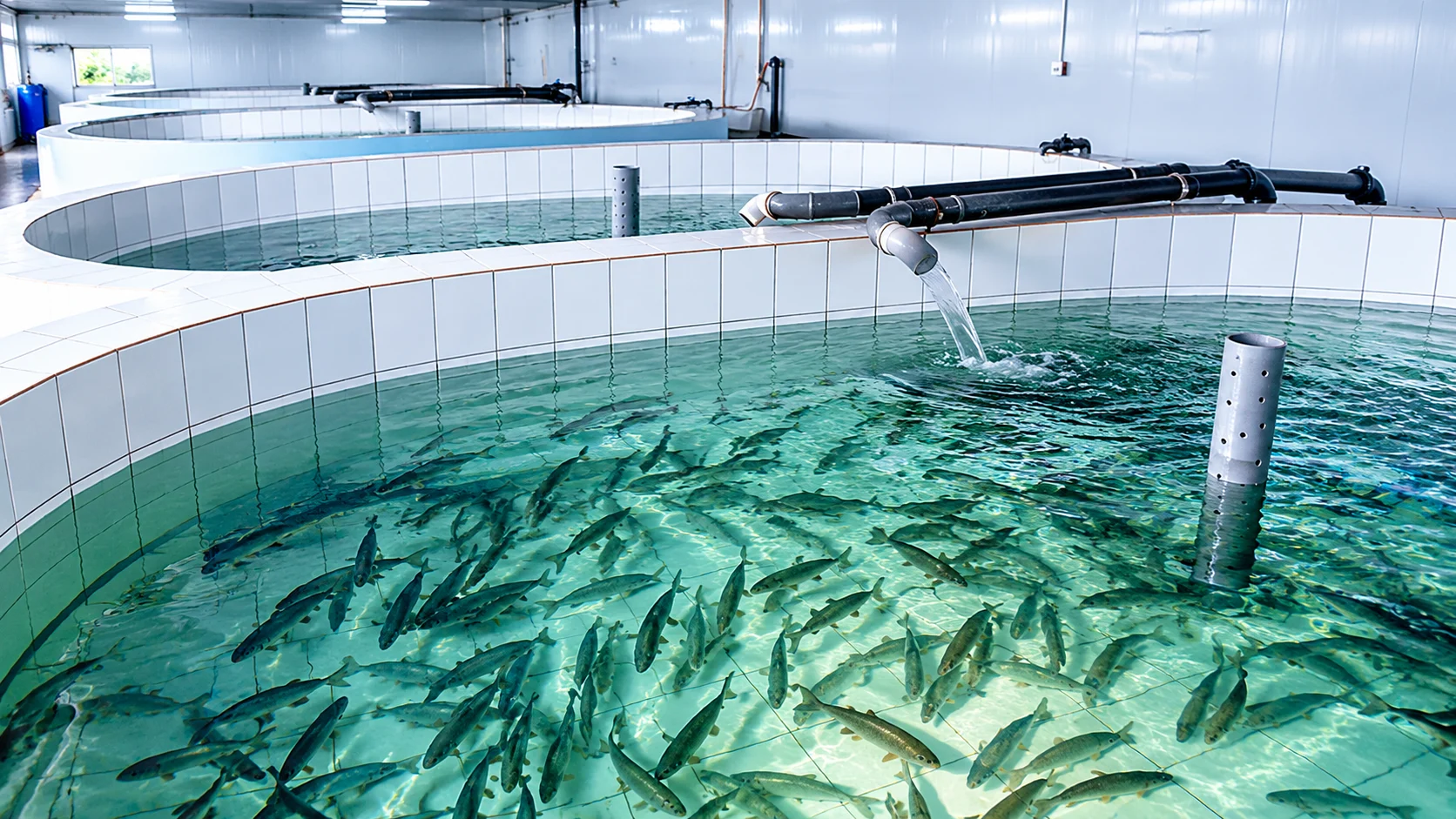
The rearing protocol
Egg to day 90 in captivity has never been documented for this species. The protocol itself is a publishable contribution to aquaculture science.
First 02
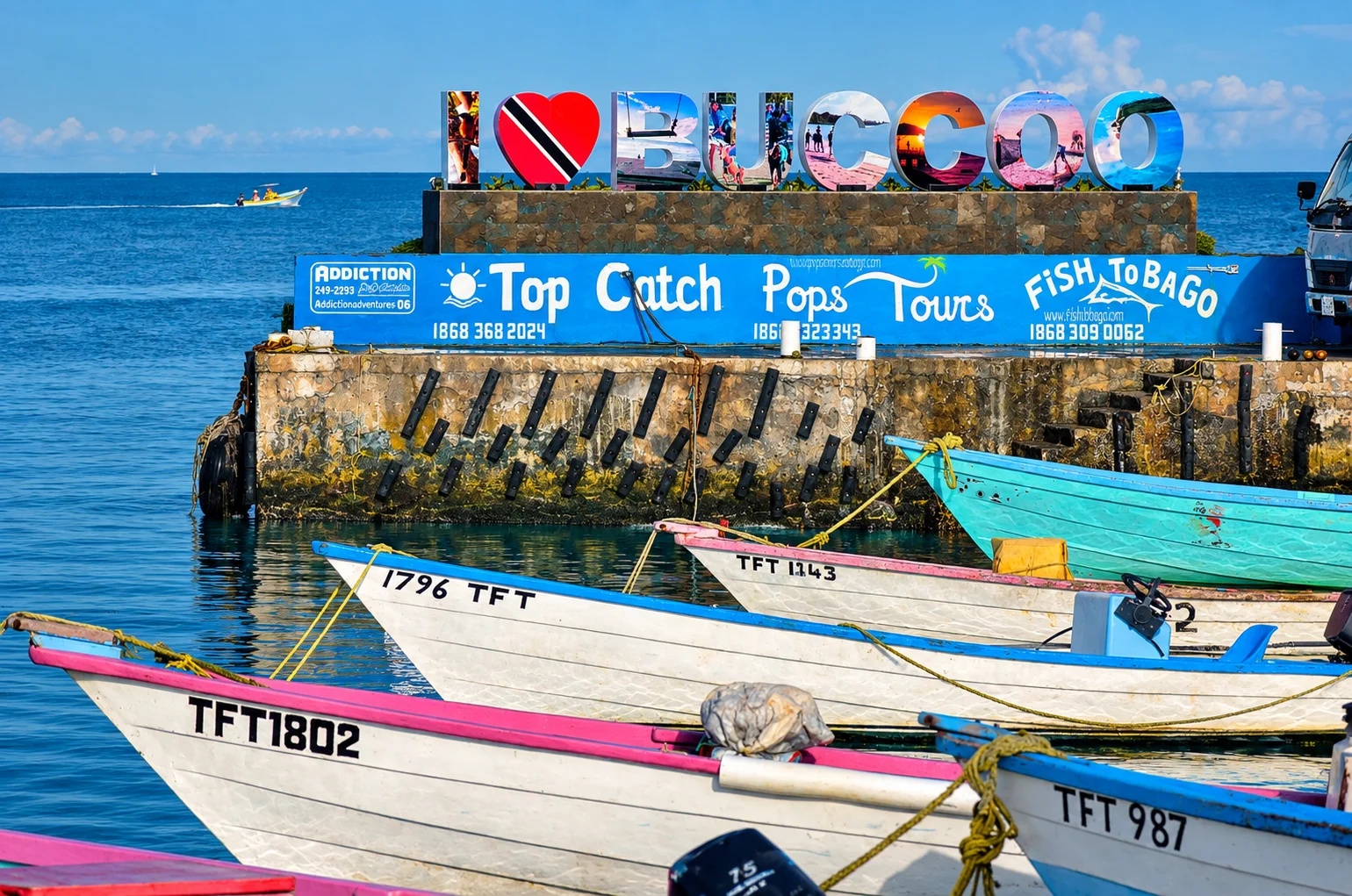
The stock time-series
Tobago has never had a continuous record of spawning activity, recruitment and catch per trip. The first one is built here — and submitted to the CRFM’s seventeen member states.
First 03
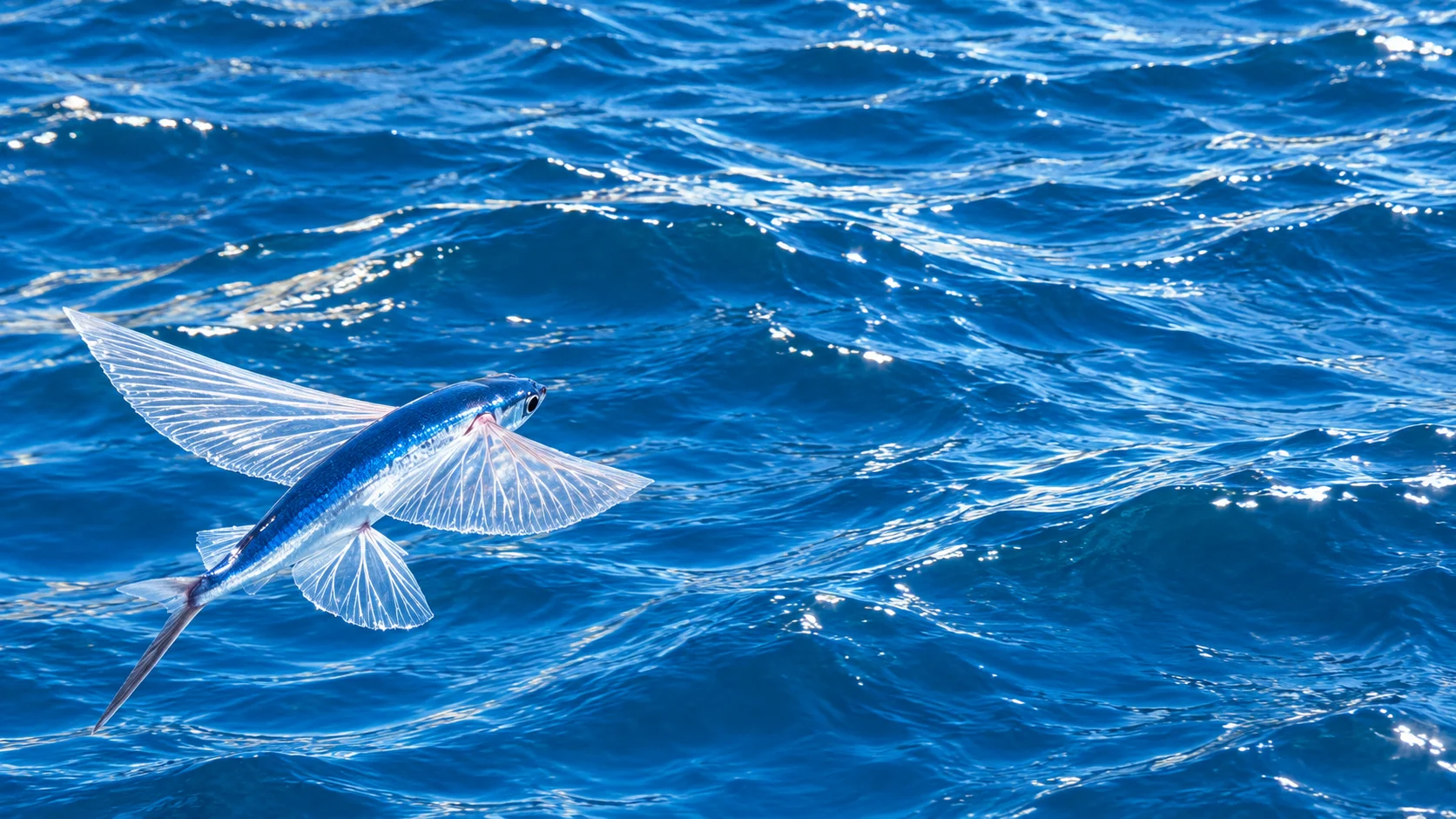
Post-release survival
Tagged hatchery-reared flying fish, recaptured at the landing sites — survival, growth and range data that has not existed since the 1994 tagging studies.
First 04
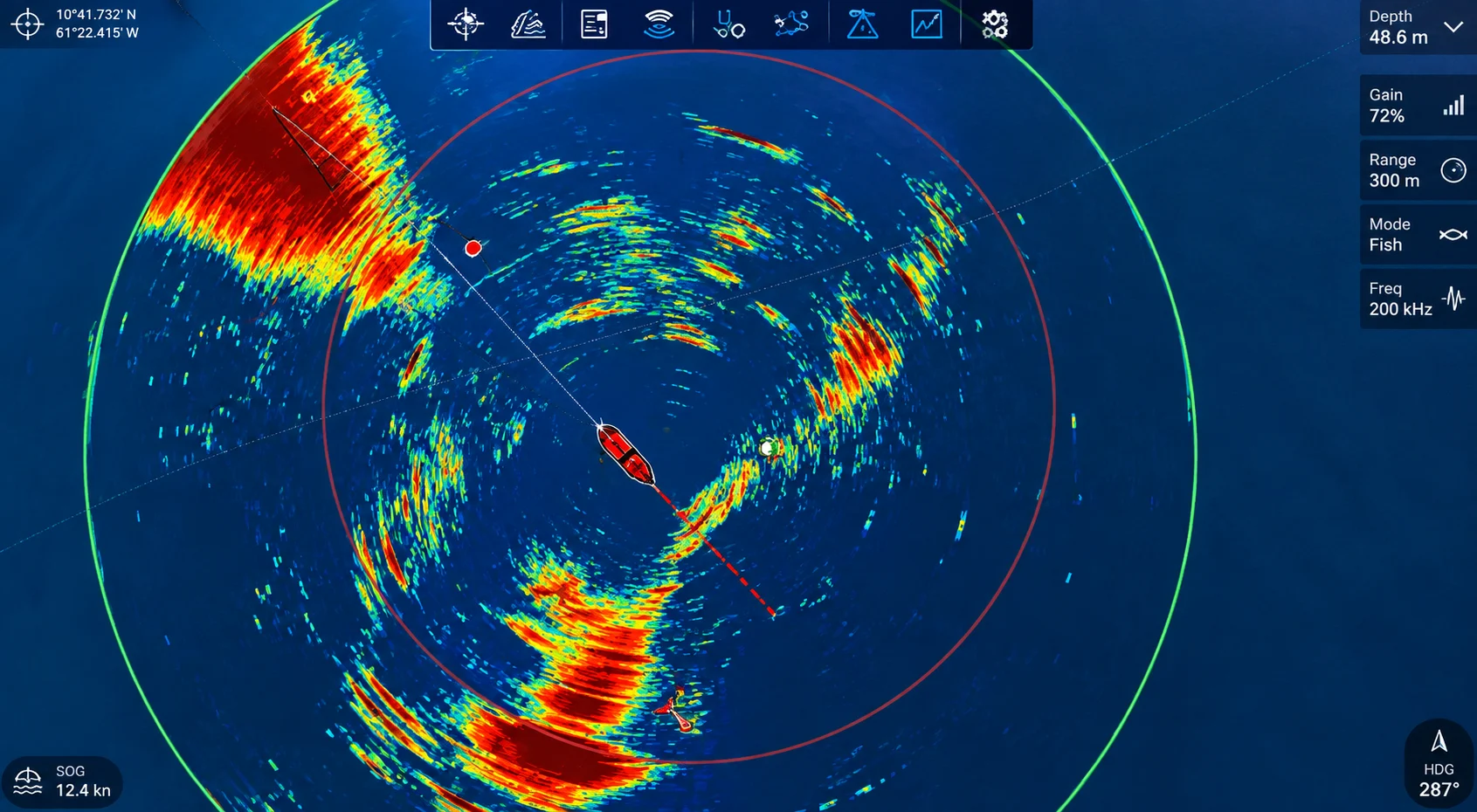
The behaviour record
GPS heat maps, sonar counts and FAD observations of a wild population, gathered continuously — a live dataset open to collaborating researchers.
The open seat
Somewhere out there is the biologist who makes this their PhD. We are holding the fieldwork for them.

For researchers
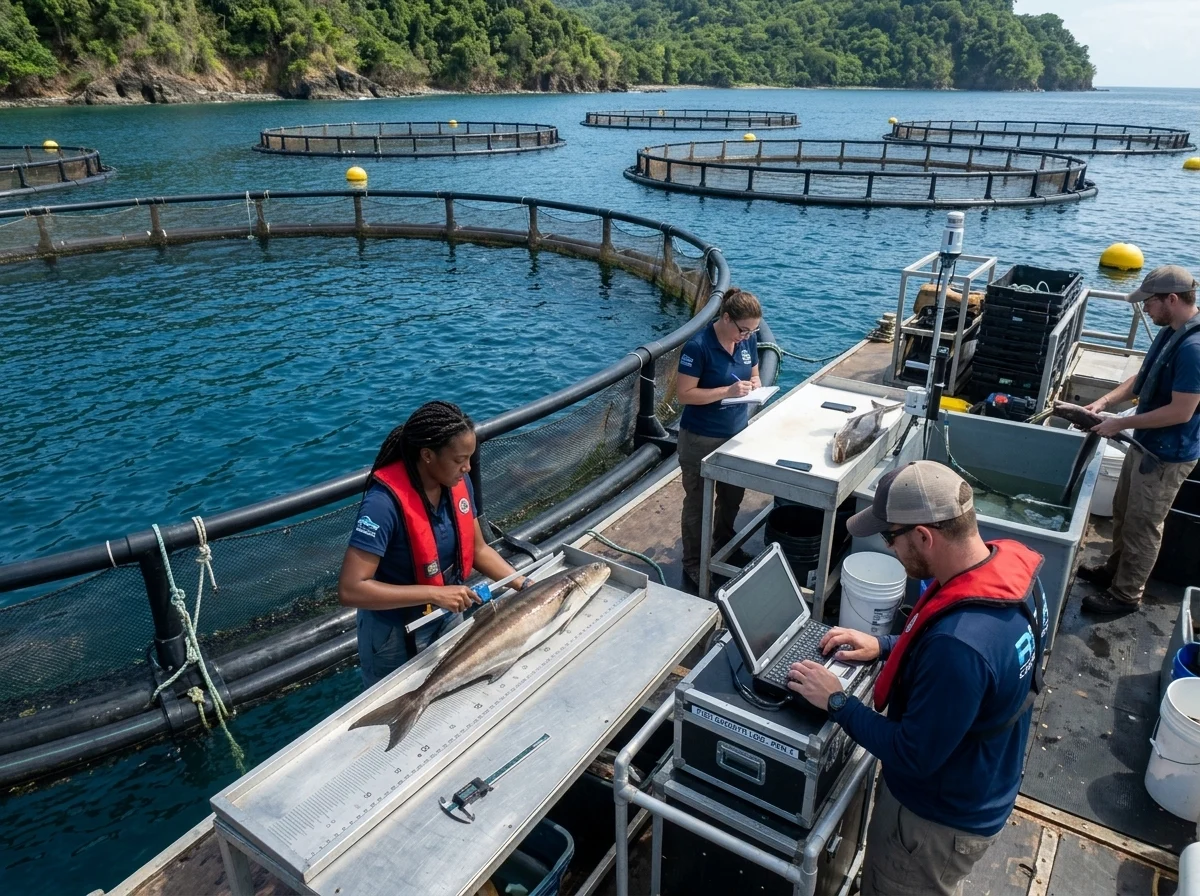
Make it your PhD
A funded field station, a species with no captive literature, daily lab and pen data from day one, and a fishery seventeen states care about. Bring the research question; the infrastructure, the boats and the fisherfolk knowledge are already here.
Full access to telemetry, GPS and survival datasets
Co-authorship on the biological audit, held to peer-review standard
Field placement at Black Rock through the season
Results that flow into CRFM management — science that gets used
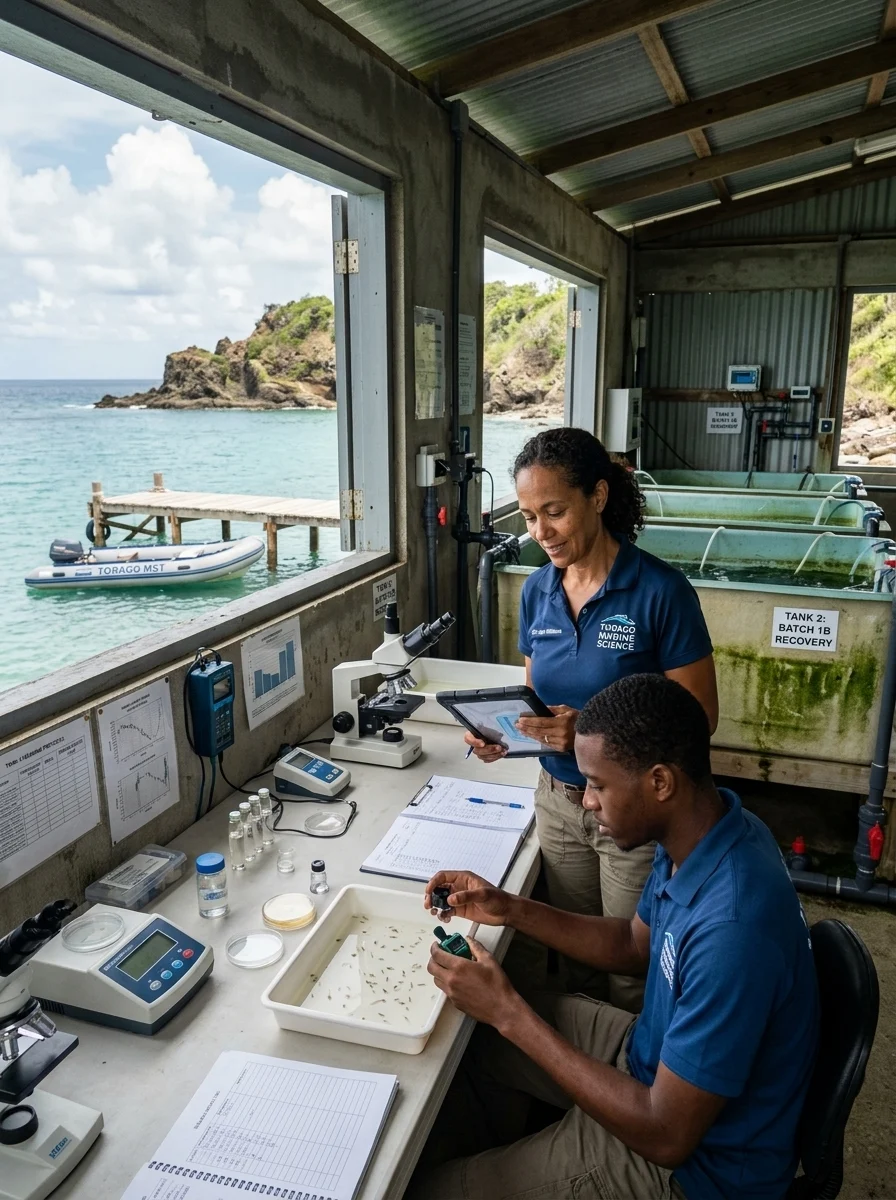
Most students write lab reports from a textbook. Here, you write yours from a tank you checked at dawn.
For students
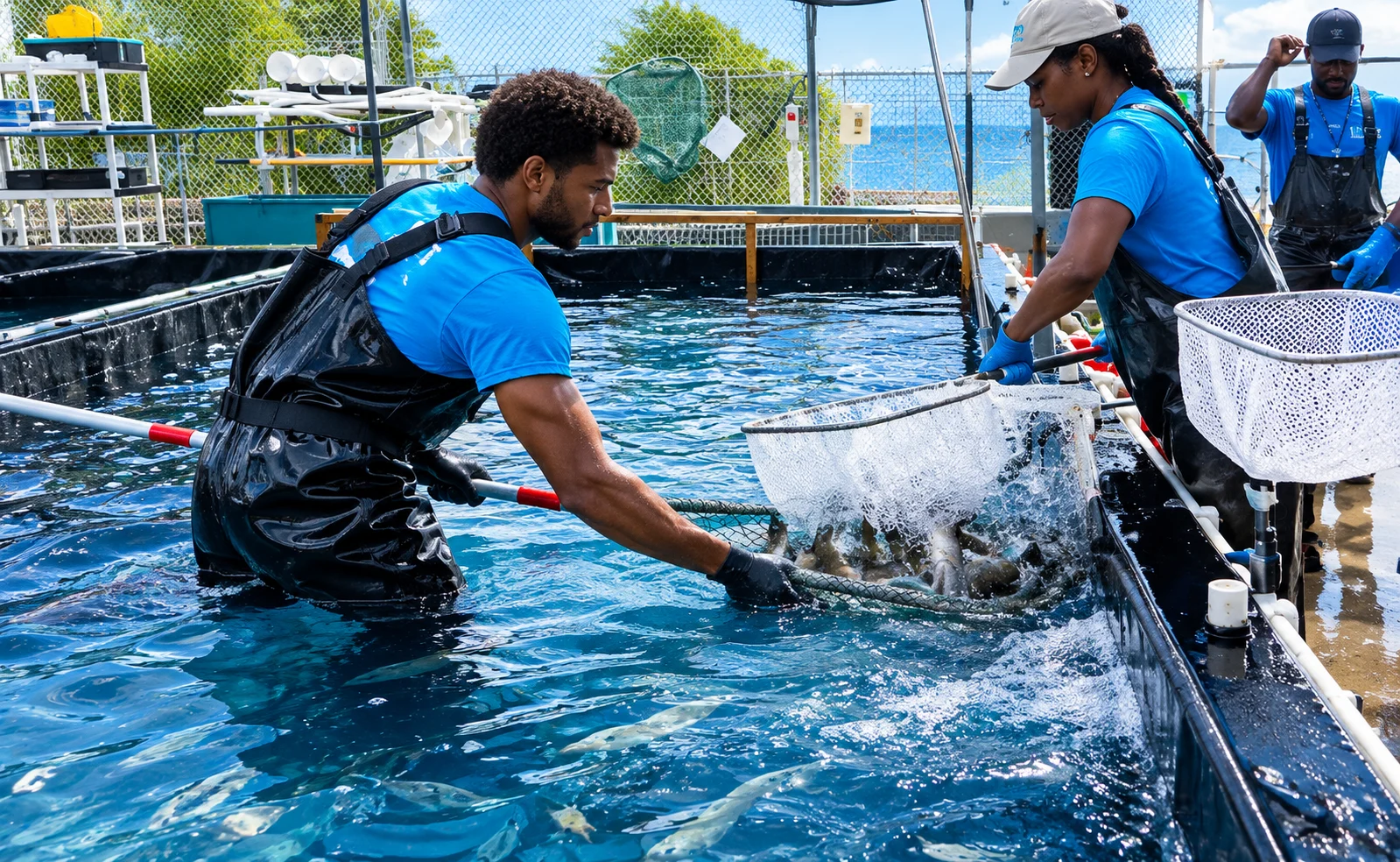
Student exchange
Placements at a working hatchery
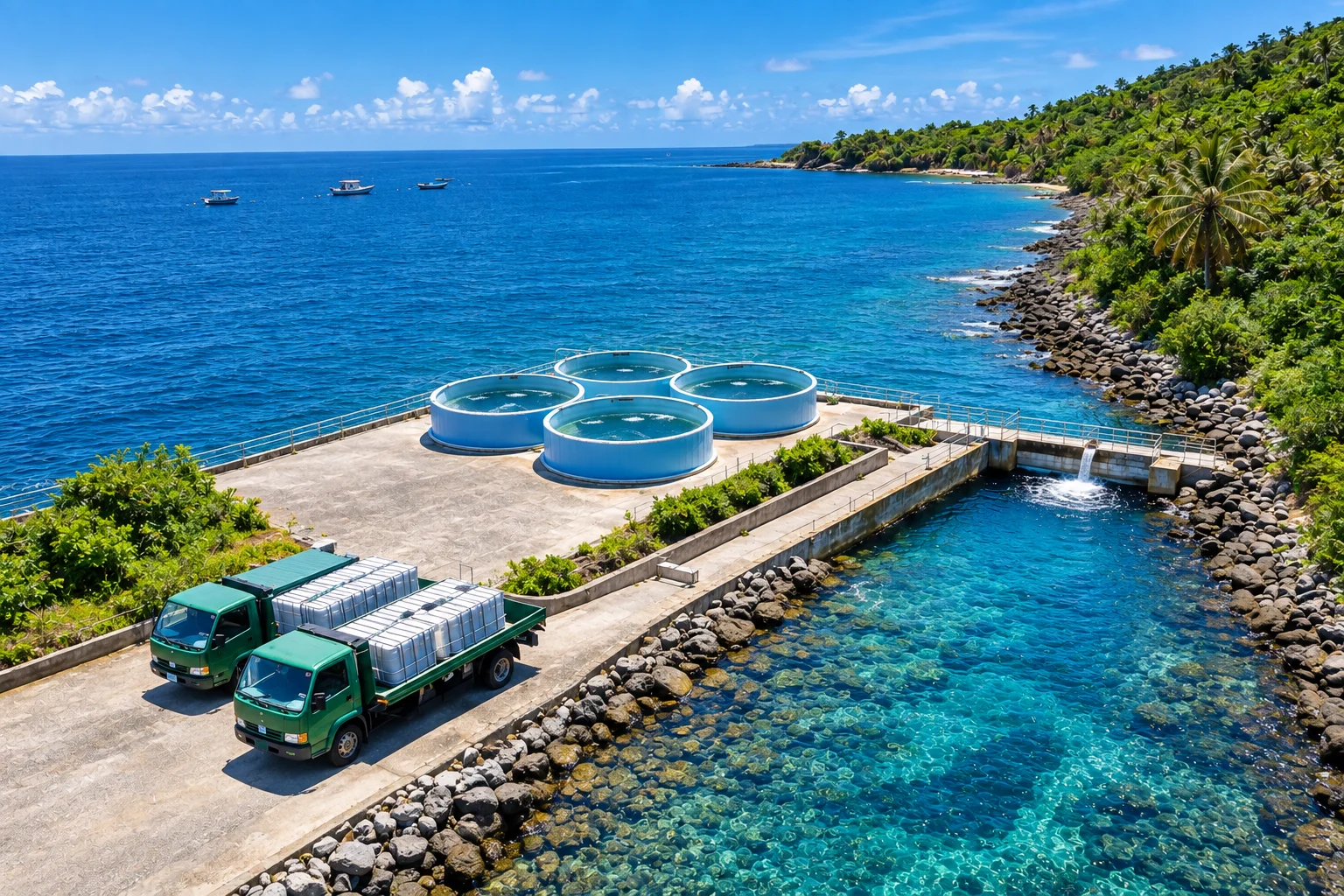
Secondary and university students work alongside the science team — water quality, larval counts, growth measurements, pen checks. Real duties on a real cohort, signed off for coursework and CVs.
Term placements and summer exchanges, Tobago and regional
School visits to the hatchery and the pens
Release days open to schools — count the fish going home
For institutions
A field site, a dataset and a fishery that matters — already built, already permitted.

Universities & academic institutions
A standing field station, without building one
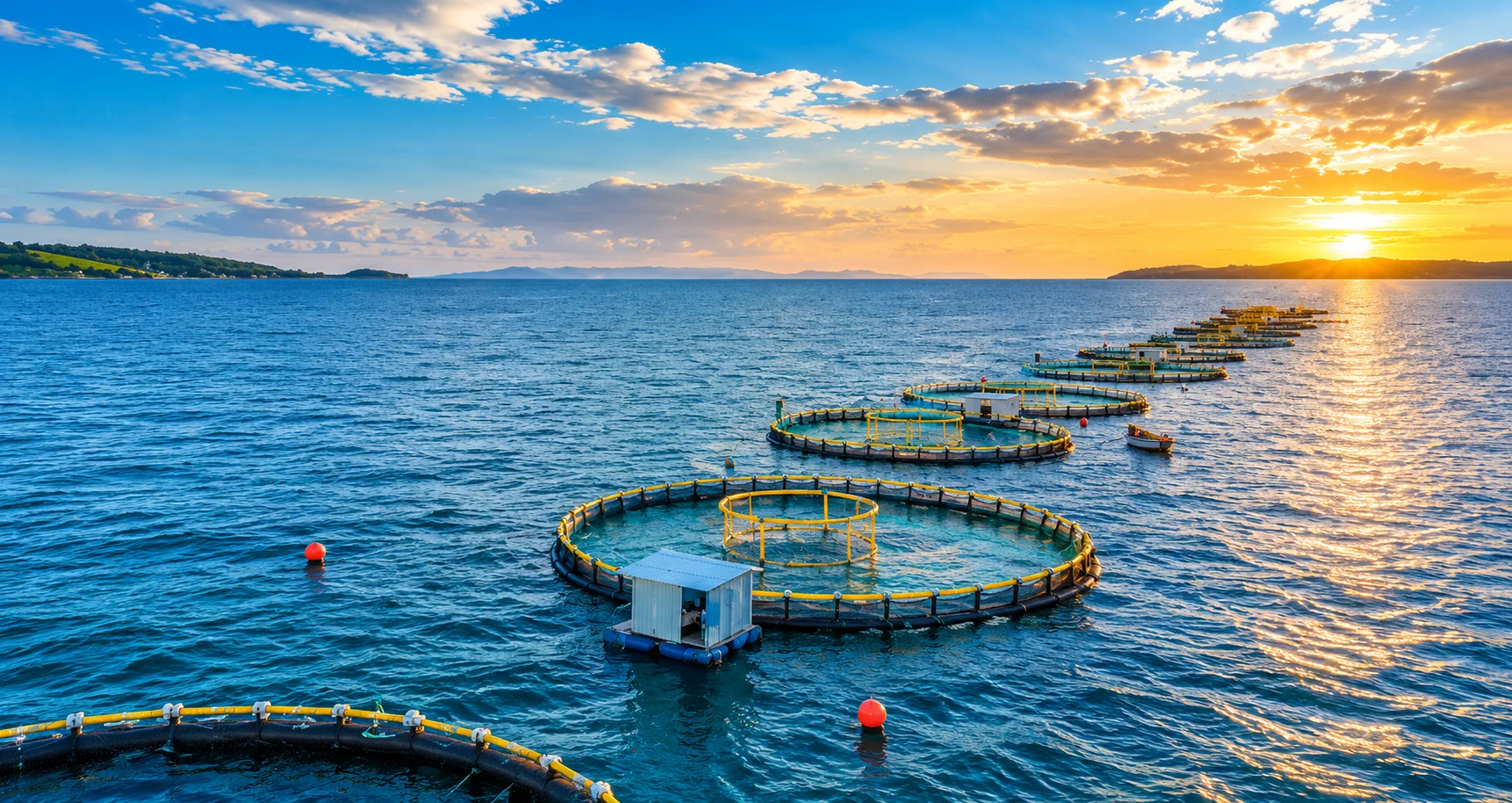
A memorandum of understanding with FFINS gives a marine science department a Caribbean field site with live infrastructure, a novel species and publishable questions — for the cost of sending people.
Your institution gets
Field placements every season, priority data access, co-authored publications, and a named presence on a programme reported to the CRFM and built for GEF-scale replication.
Your students get
Supervised fieldwork on a first-of-its-kind rearing programme, with duties that count toward degrees — not observation tours.
The region gets
Caribbean marine scientists trained on a Caribbean fishery — capacity that stays in the region when the programme replicates across CARICOM.
Reserve the seat
Placements, PhD fieldwork and institutional MOUs are being scheduled ahead of the first cohort. Write to us with one paragraph on what you would study.