Our story
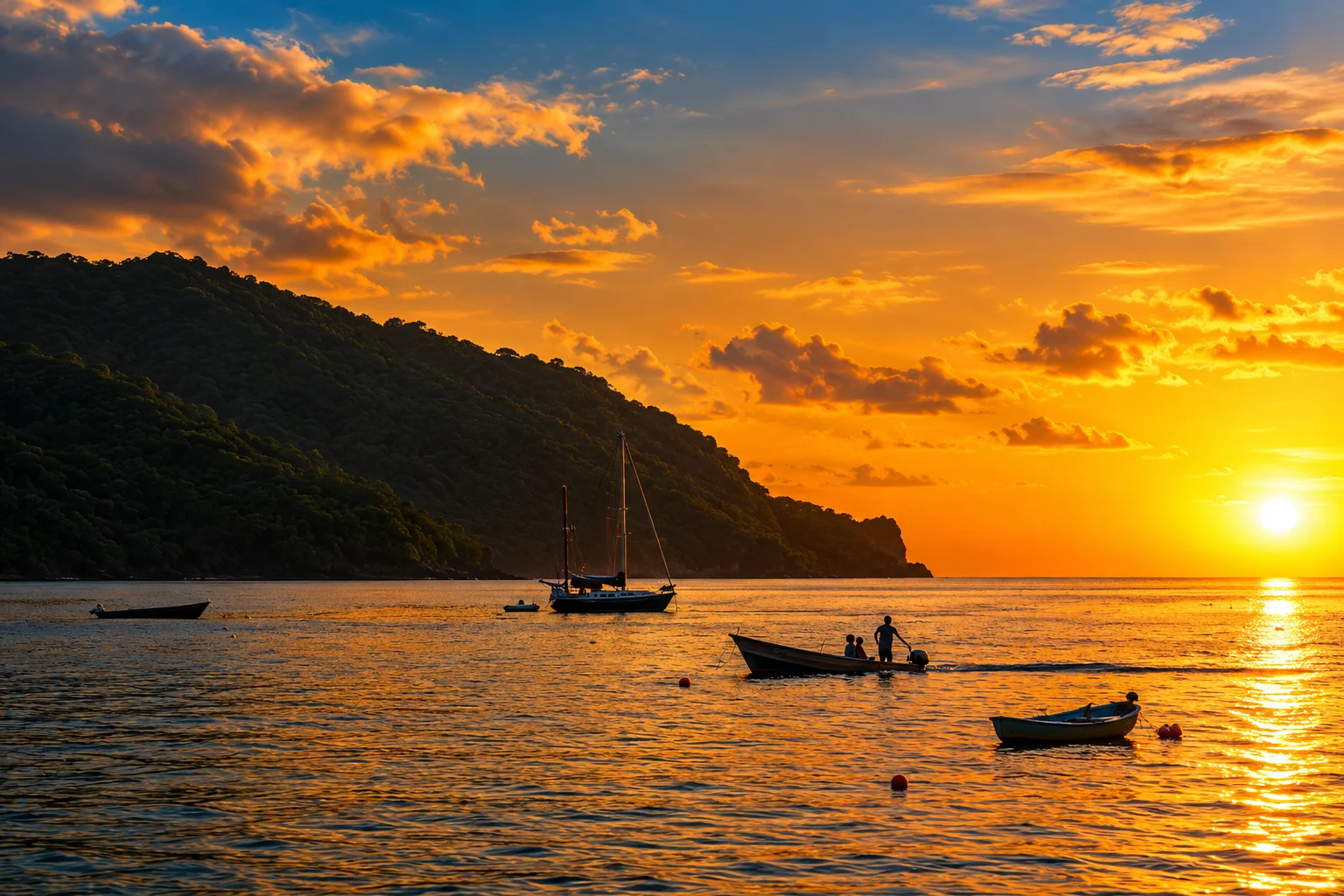
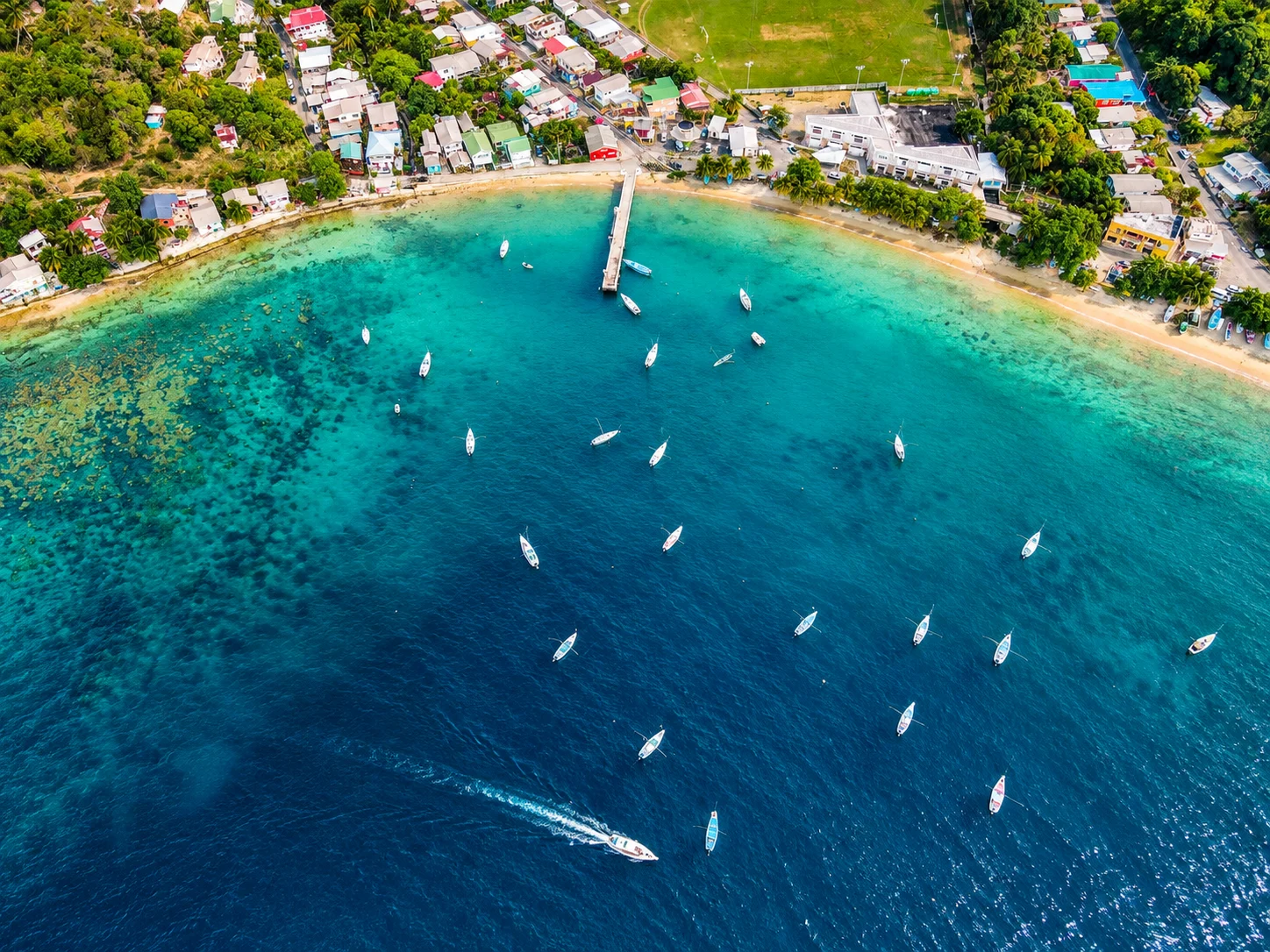
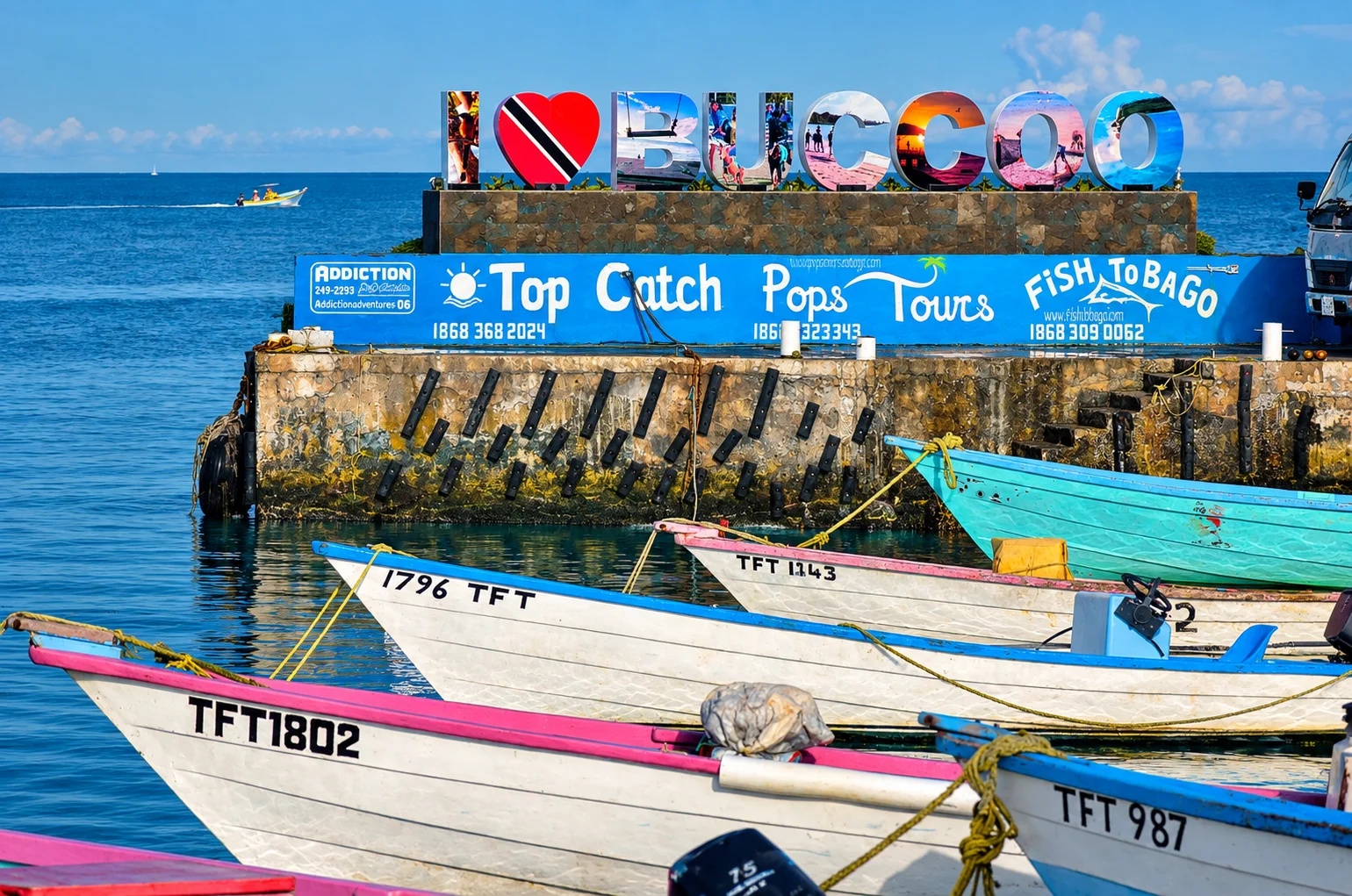
Started on the water, run from Tobago
FFINS exists to put the flying fish back in Tobago’s waters, and to do it in a way the whole island can watch.
Started on the water
·
Run from Tobago
·
Counted in the open
Why we exist
Tobago remembers the fish
Ask anyone over forty. The boats came in heavy, the processors ran, and dozens of women boned, smoked and dried flying fish for a living. Then the schools thinned. The factories on Wilson Road went quiet, the cottage industry lost its raw material, and the cold storage built for the catch sat underused.
This did not happen because Tobagonians stopped wanting to work. The fish left. FFINS was formed to bring them back — not with promises, but with a hatchery, paid work on the water, and numbers anyone can check.
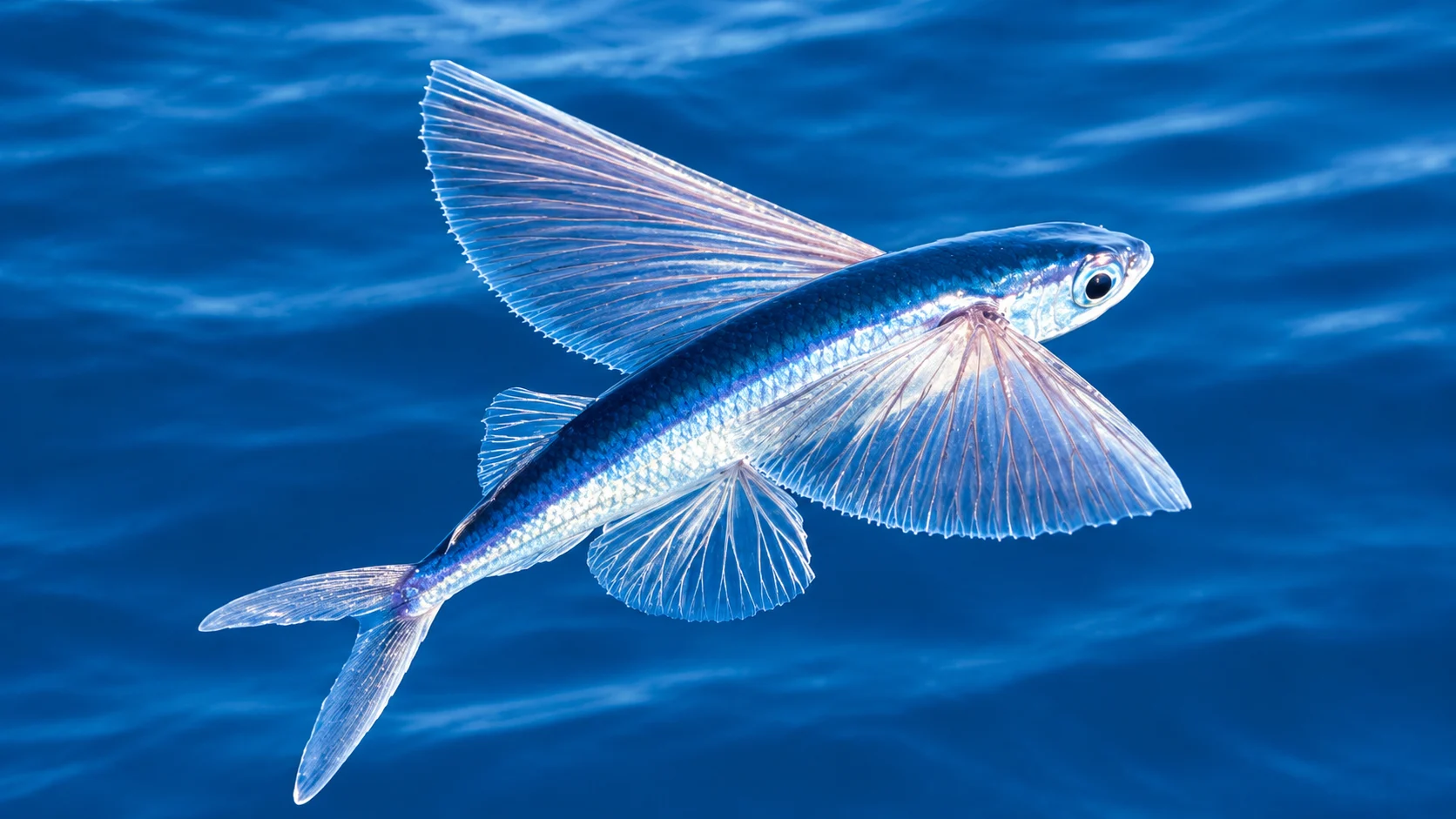
The flying fish (Hirundichthys affinis) cannot be bred in captivity. Restoration depends on wild-spawned eggs, which is why the work starts with fisherfolk.
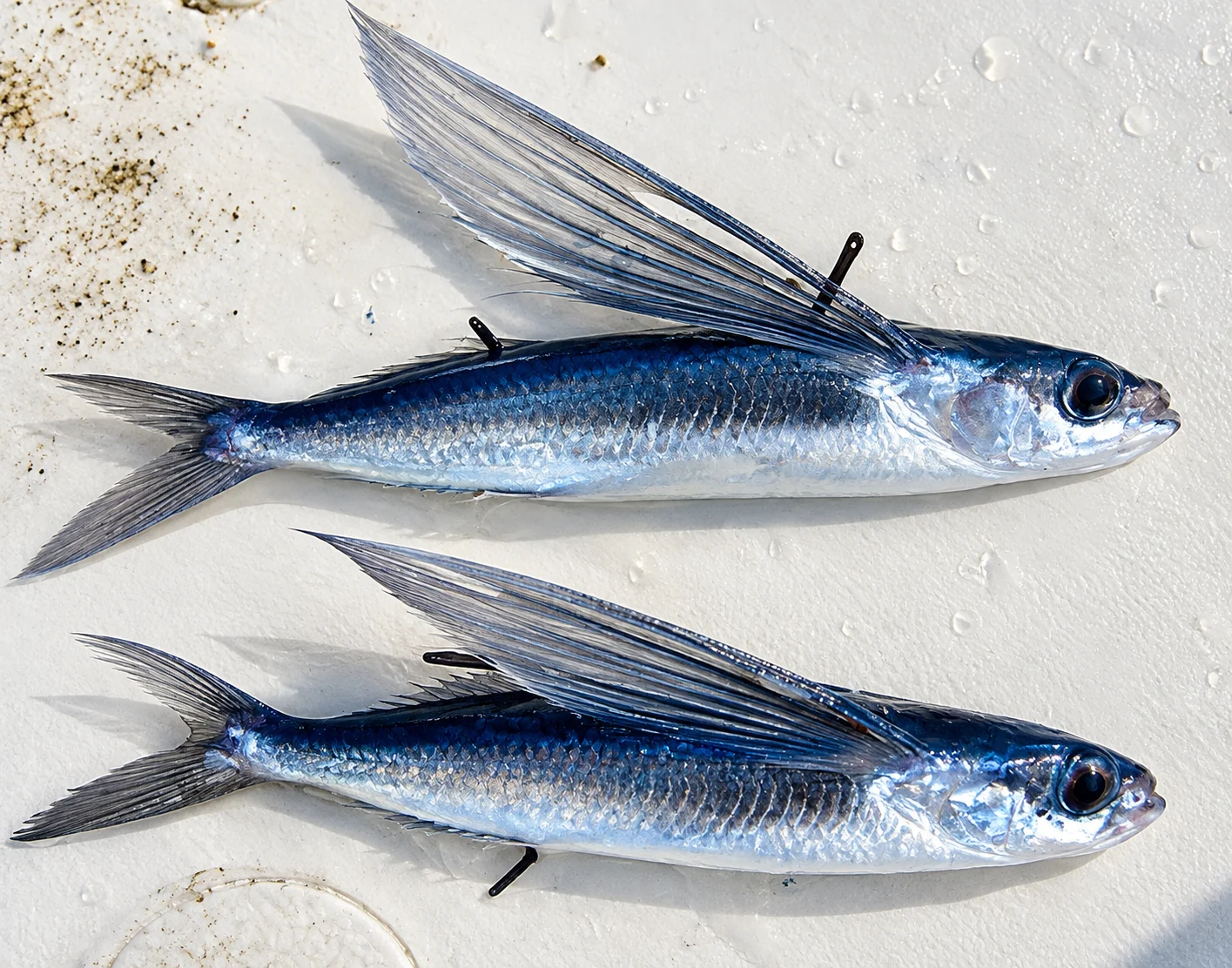

The factories went quiet because the fish left, not because the work stopped.
Restoration comes before industry
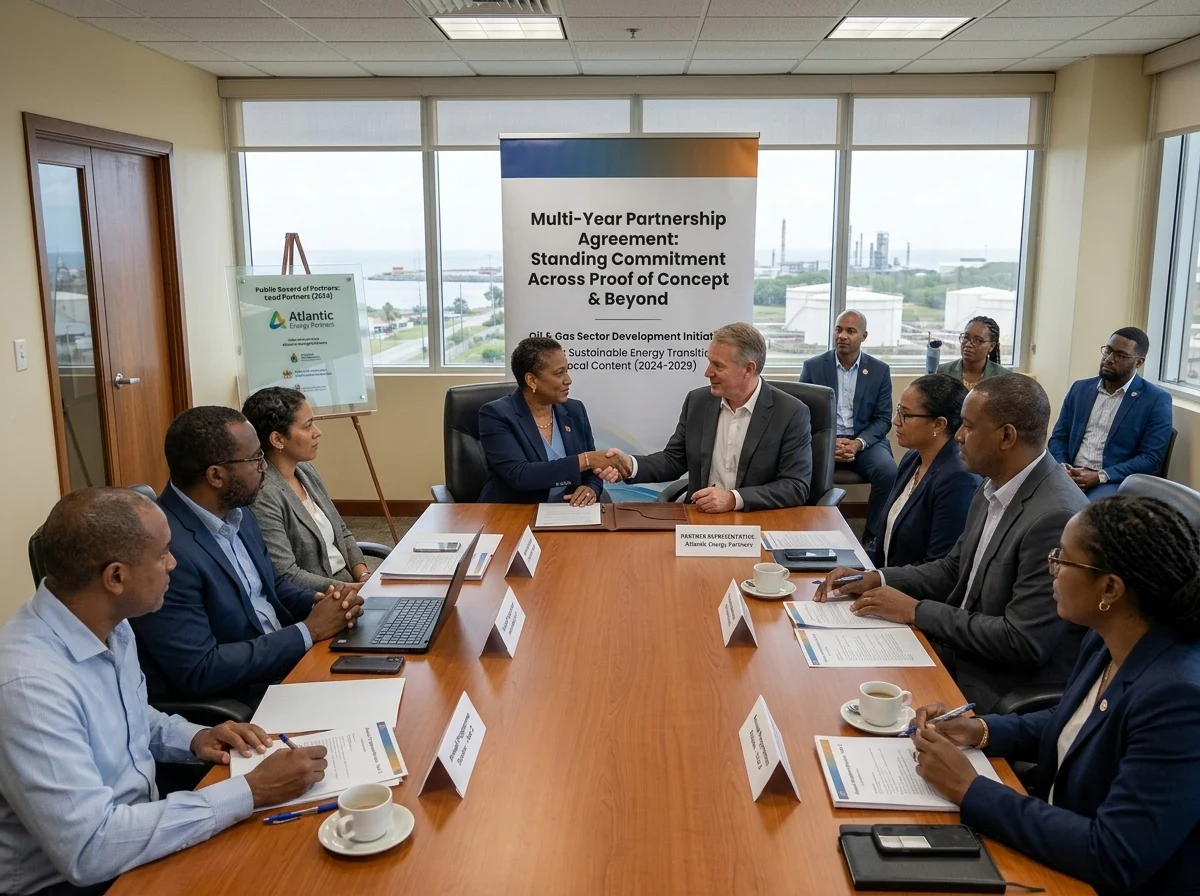
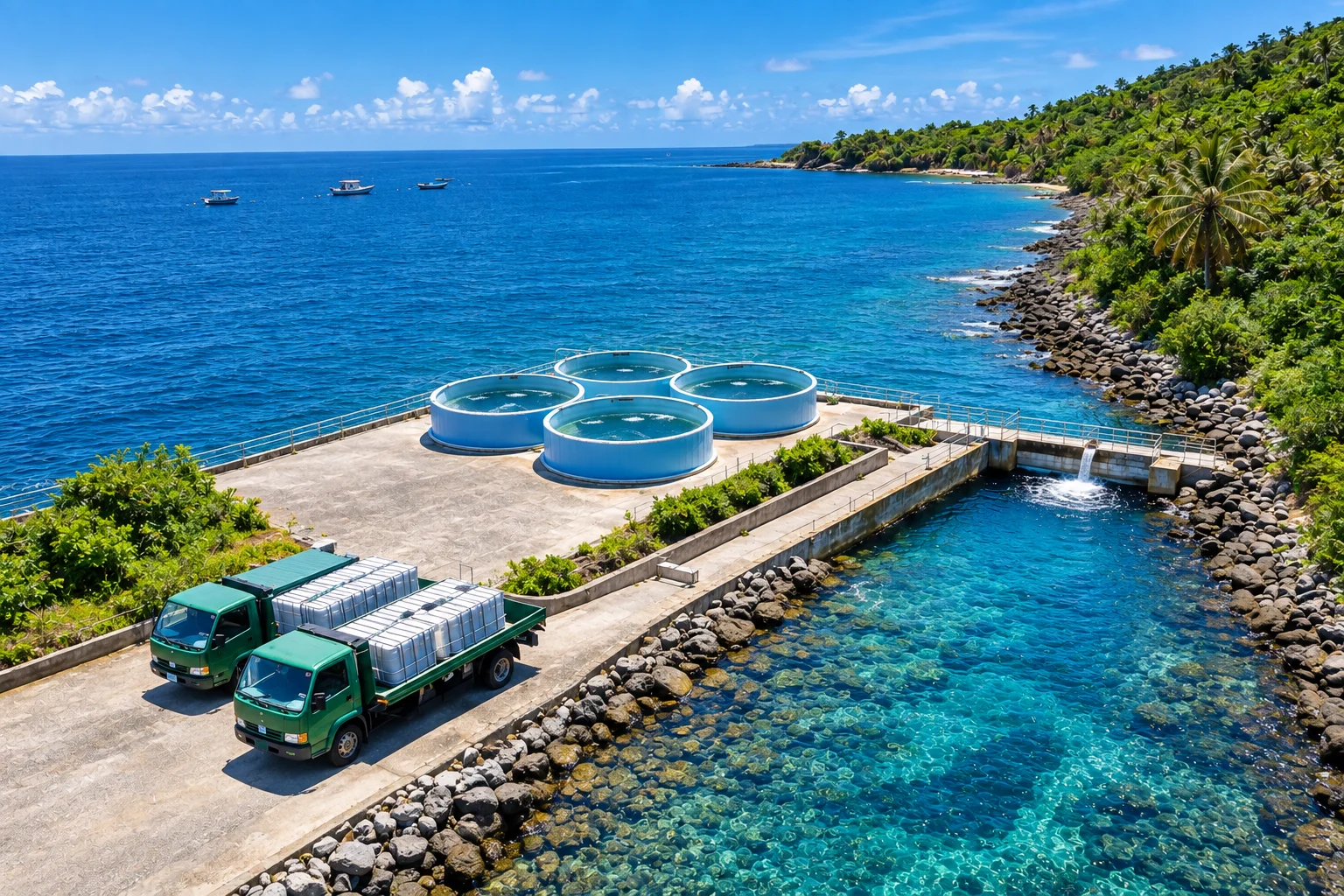
How we got here
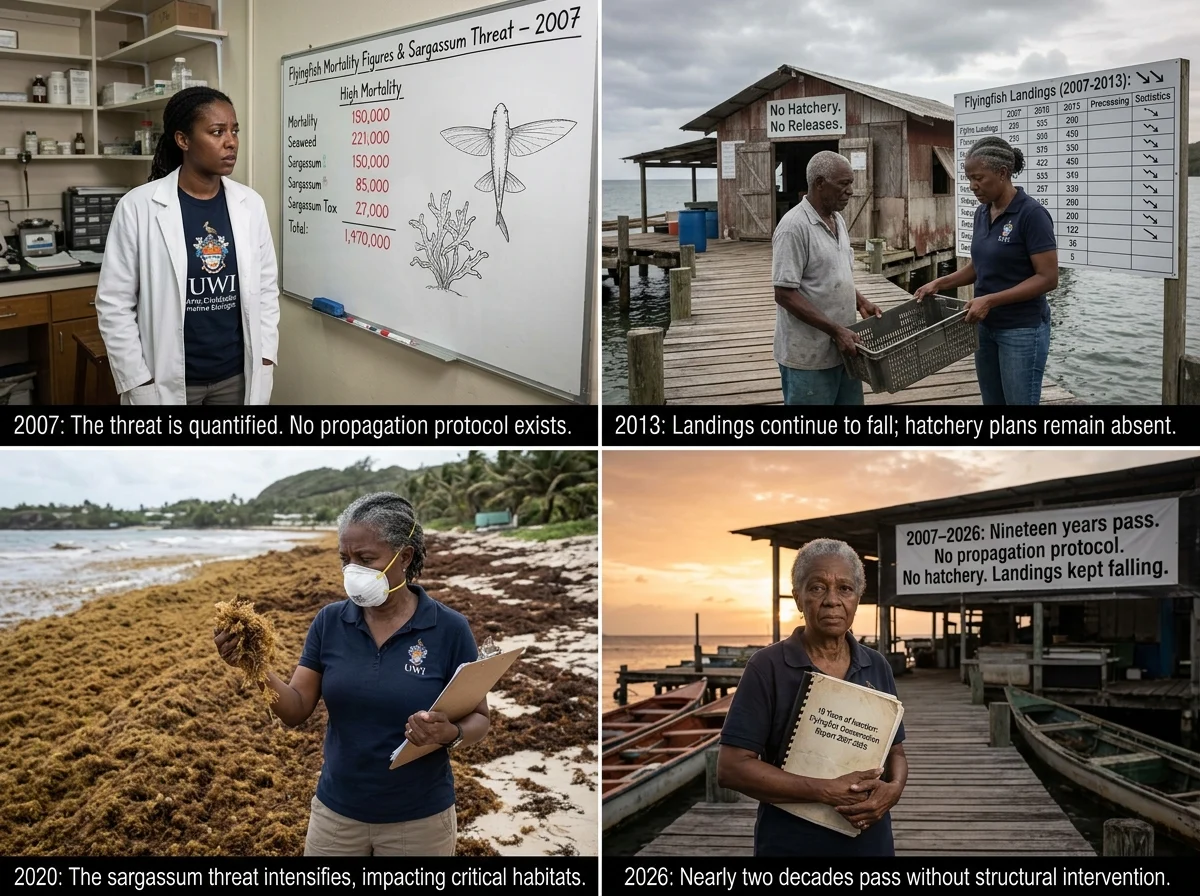
The science was settled. The programme was not.
The biology of this fish has been documented for three decades. What was missing was someone on this island willing to act on it.
01
1994
Tobago is identified
A regional tagging study of 7,019 flying fish finds that fish released at Tobago disperse least, and that Tobago carries a disproportionate share of spawning and post-spawn recaptures.
02
2007
The science is published
The Eastern Caribbean Flyingfish Project monograph — 25 chapters of peer-reviewed biology on Hirundichthys affinis — is published by the University of the West Indies.
03
2007–2026
Nineteen years pass
No propagation protocol. No hatchery. No juvenile releases. The mortality figures and the sargassum threat were known the whole time, and landings kept falling.
04
2026
FFINS is formed
Incorporated in Trinidad and Tobago as a non-profit under the Companies Act, Ch. 81:01, with a board of five directors, all based here. The method is built around wild eggs and witnessed release.
05
Year 1–3
Proof of concept
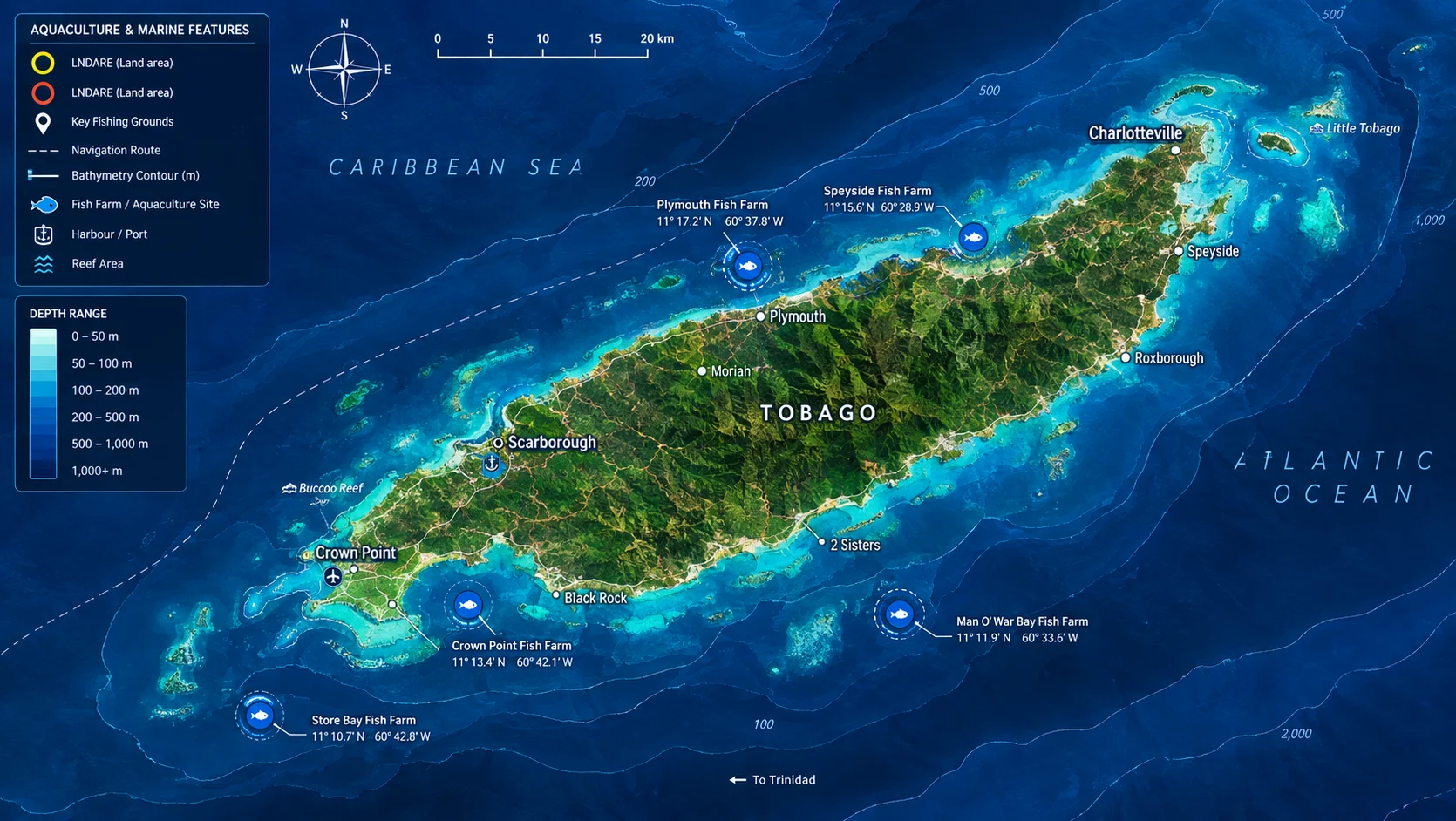
A hatchery at Black Rock, paid egg collection from month 1, and the first independently witnessed releases counted in the open. Three years to prove the biology in Tobago waters.
The science was never the missing part. The willingness was.
Nineteen years between the monograph and the first hatchery
Where we stop
What we do not do
Restoration work attracts assumptions. These are the lines the programme holds.
We do not farm fish for sale
Nothing raised in the hatchery is sold. Every fish that survives to release goes back to the water it came from.
We do not hold broodstock
The flying fish cannot be bred in captivity, and we do not try. Every batch begins as wild-spawned eggs.
We do not fish against fisherfolk
FFINS lands no catch and holds no quota. The programme buys eggs and labour; the fishery stays with the people who work it.
We do not bring in fish from elsewhere
Nothing is imported and nothing is introduced. Every egg is collected in Tobago waters and every juvenile goes back into them.

Principles are easy to write. These are the ones we are held to.
What the programme holds itself to
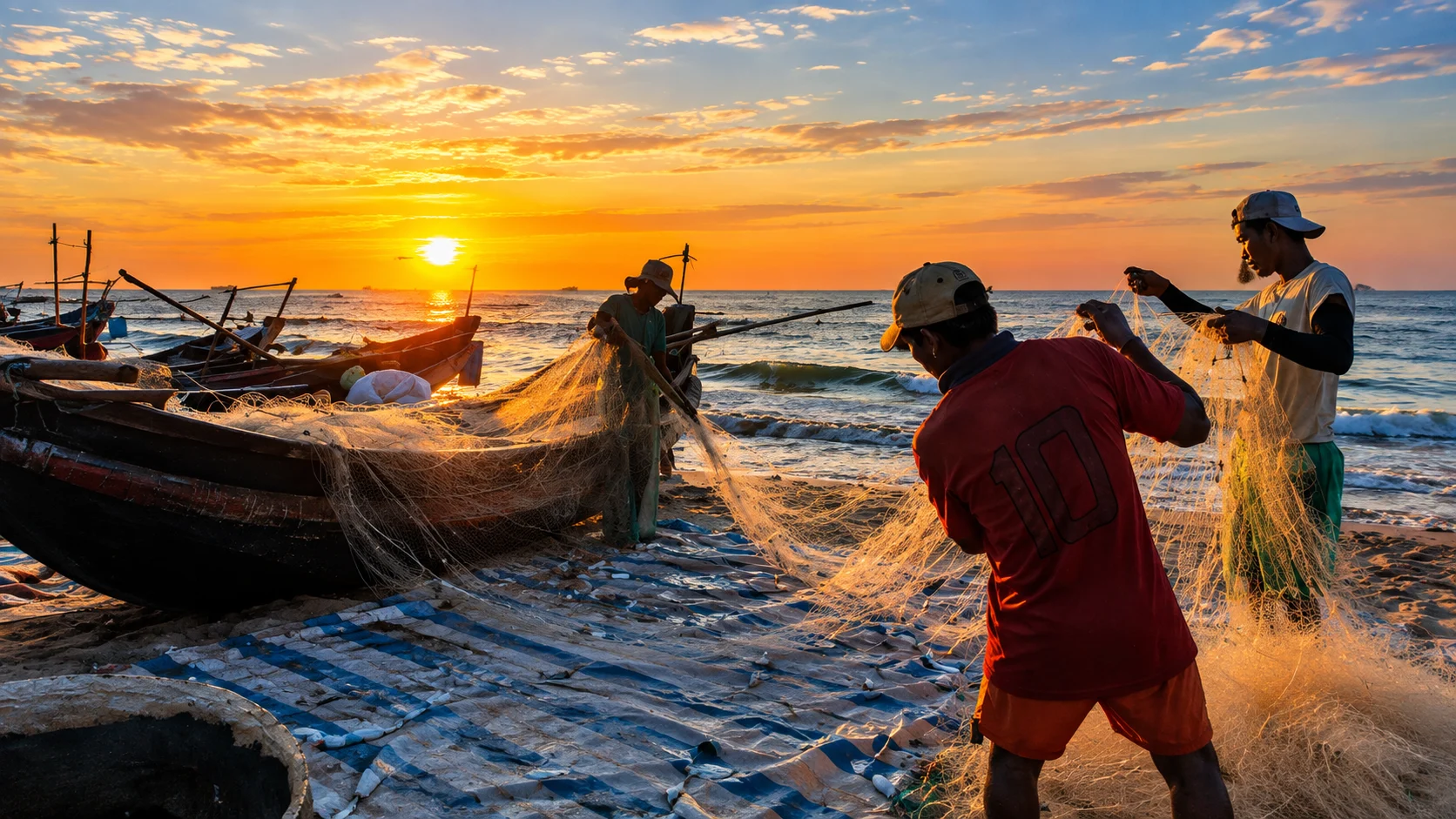
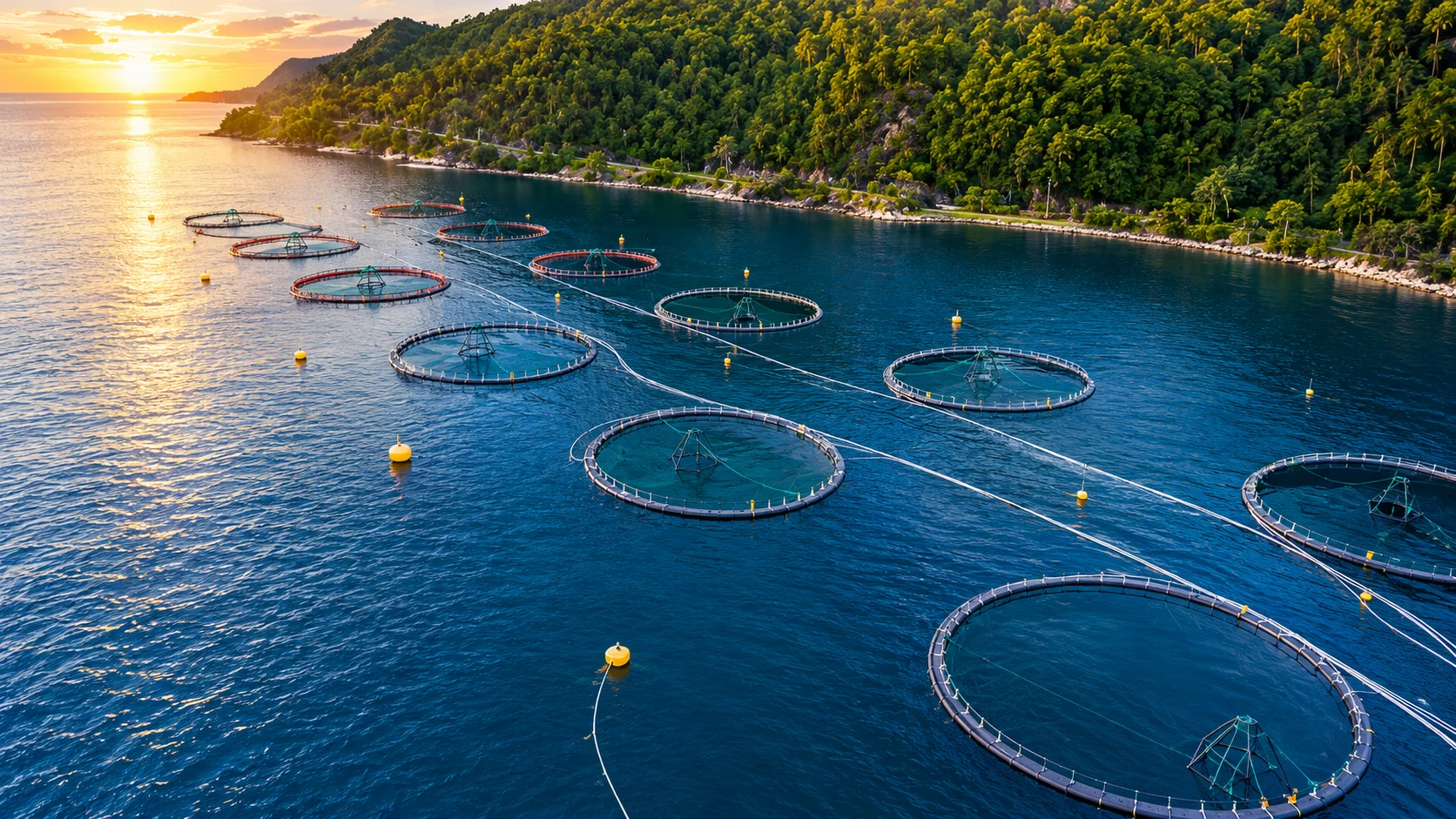
What we believe
Three working principles
01
Fisherfolk first
The people who know these waters are paid partners from day one — egg collection, pen keeping, release work.
02
The work happens on the water
The hatchery, the pens and the releases all sit on this coast. Nothing about the programme is run from a distance.
03
Prove it, publicly
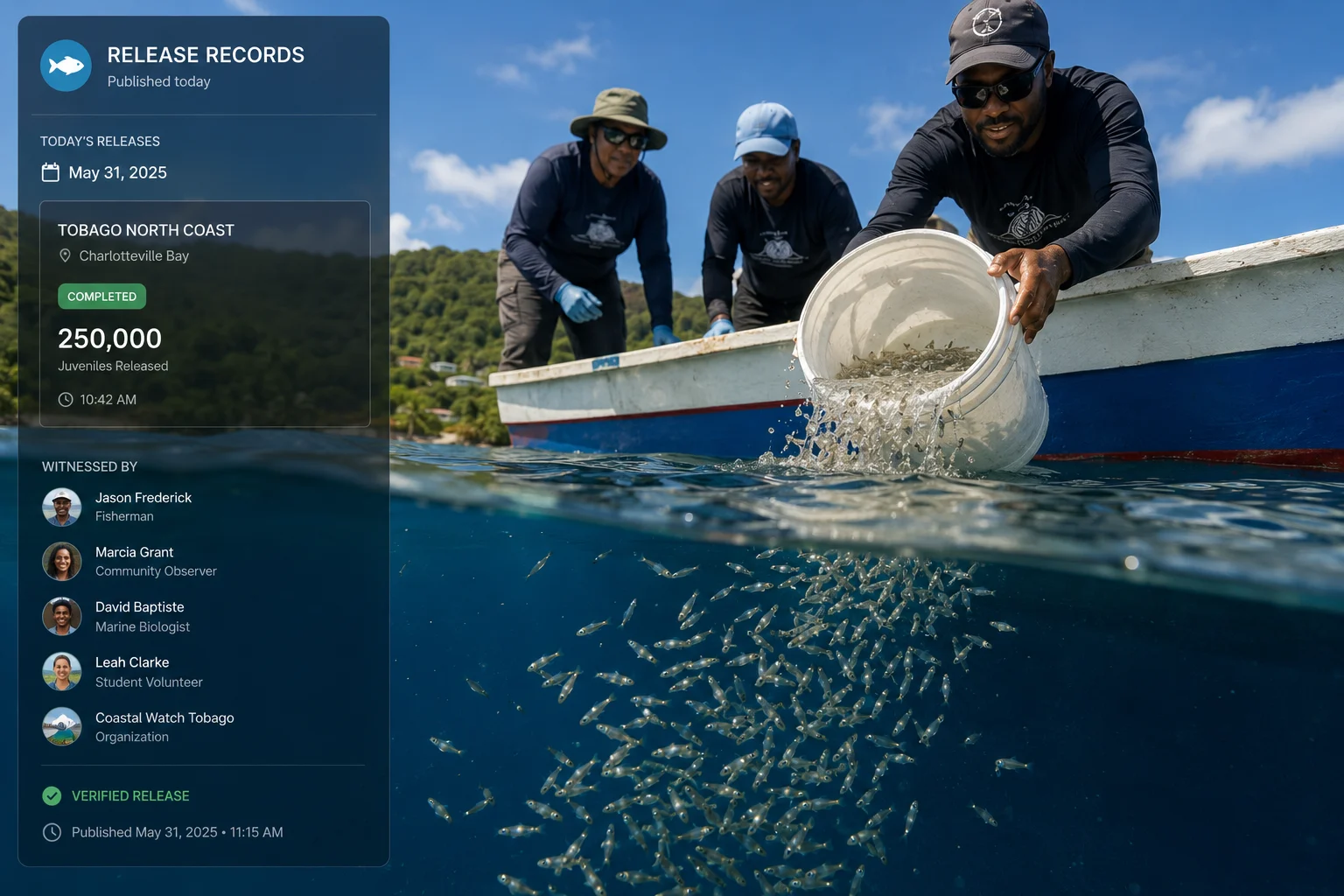
Every release is independently witnessed and every count published. If we can’t prove it, it didn’t happen.
5
Directors on the board, all based in Tobago
250 TTD
Paid per bucket of wild eggs, from month 1
4,000 TTD
Monthly for community pen keepers from fishing households
37
Permanent Tobagonian jobs at the anchor facility
The people
A small team, most of it on the water
Five directors govern the programme, each carrying a working part of it. The science, the field network and the institutional relationships all sit on the board, not in a distant office.
Yuri Fullerton
Founder and executive director
Built the programme and carries it — strategy, governance, and the relationships with the THA, funders and partners.
Sean McCoon
Chairman of the board, environment and governance
Chairs the board. Carries the environmental and governance side of the work, and speaks for the programme in public.
John Procope
Fisherfolk and community affairs
Works the wharves and the fishing households. Brings the fisherfolk into the programme and keeps them in it.
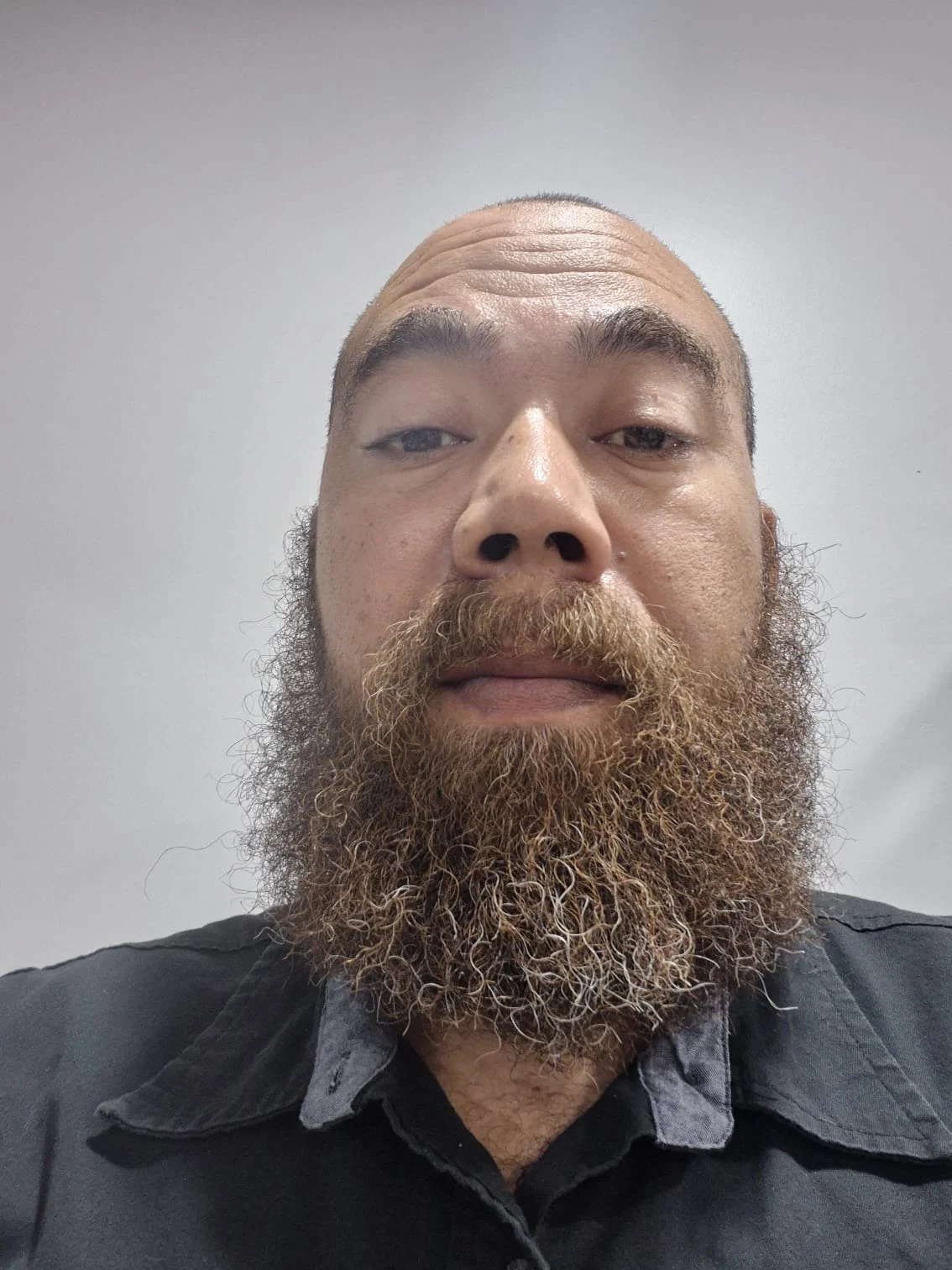
Simon Teixeira
Science and monitoring
Holds the science and the monitoring. Makes sure what the programme counts, it can stand behind.
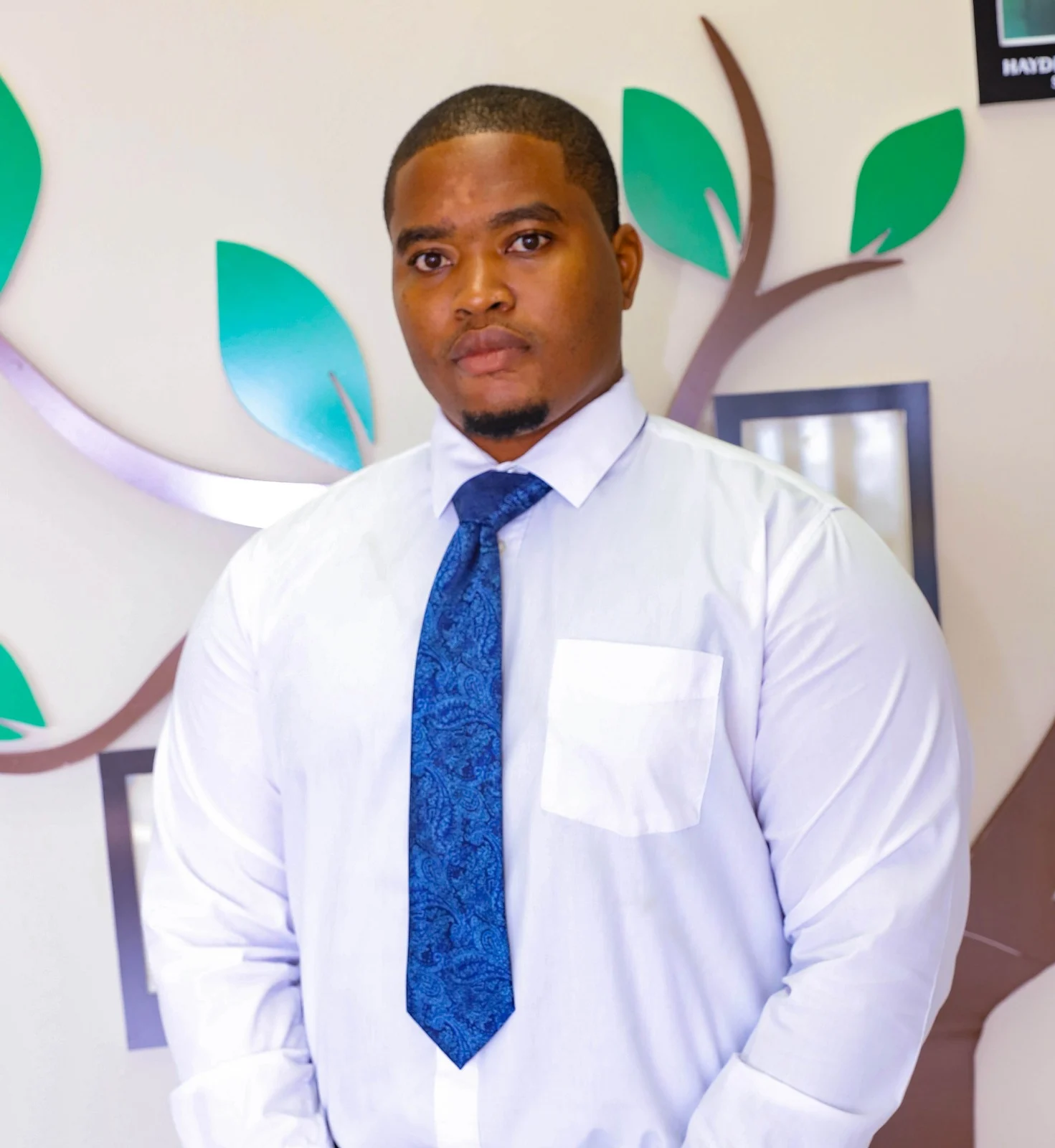
Javon Job
Coastal and marine management
Reads the coast and the marine side of the work — where the pens sit, what the habitat can carry.

The board sets the direction. The programme runs on the people who work the water.
Who does the daily work
On the ground
The crew the programme runs on
Everyone below is paid for the work they do. None of it is volunteered and none of it is subcontracted off the island.
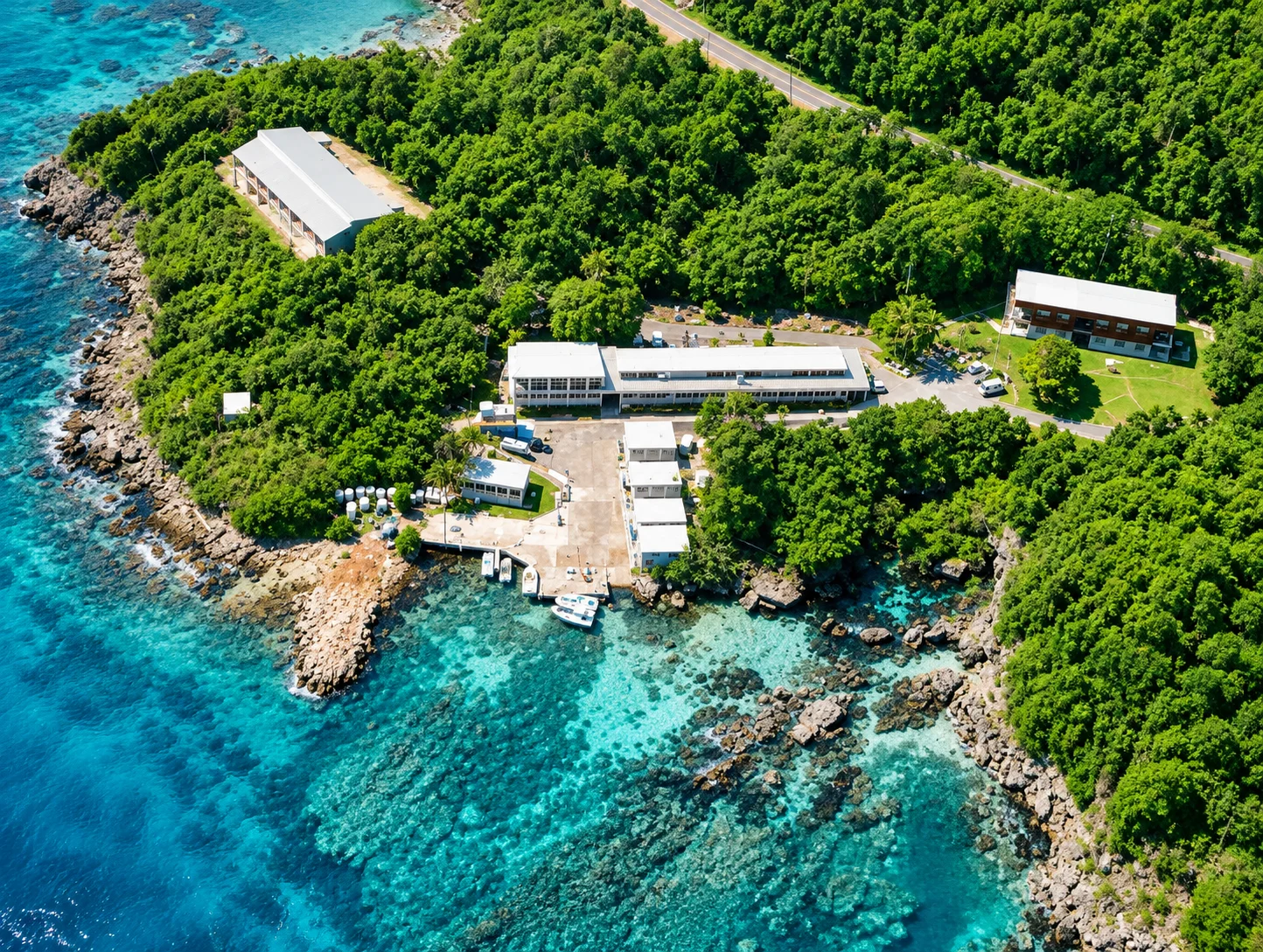
The science team
Lead marine scientist and lab technician, on site at Black Rock. They run the rearing protocol and the release counts.
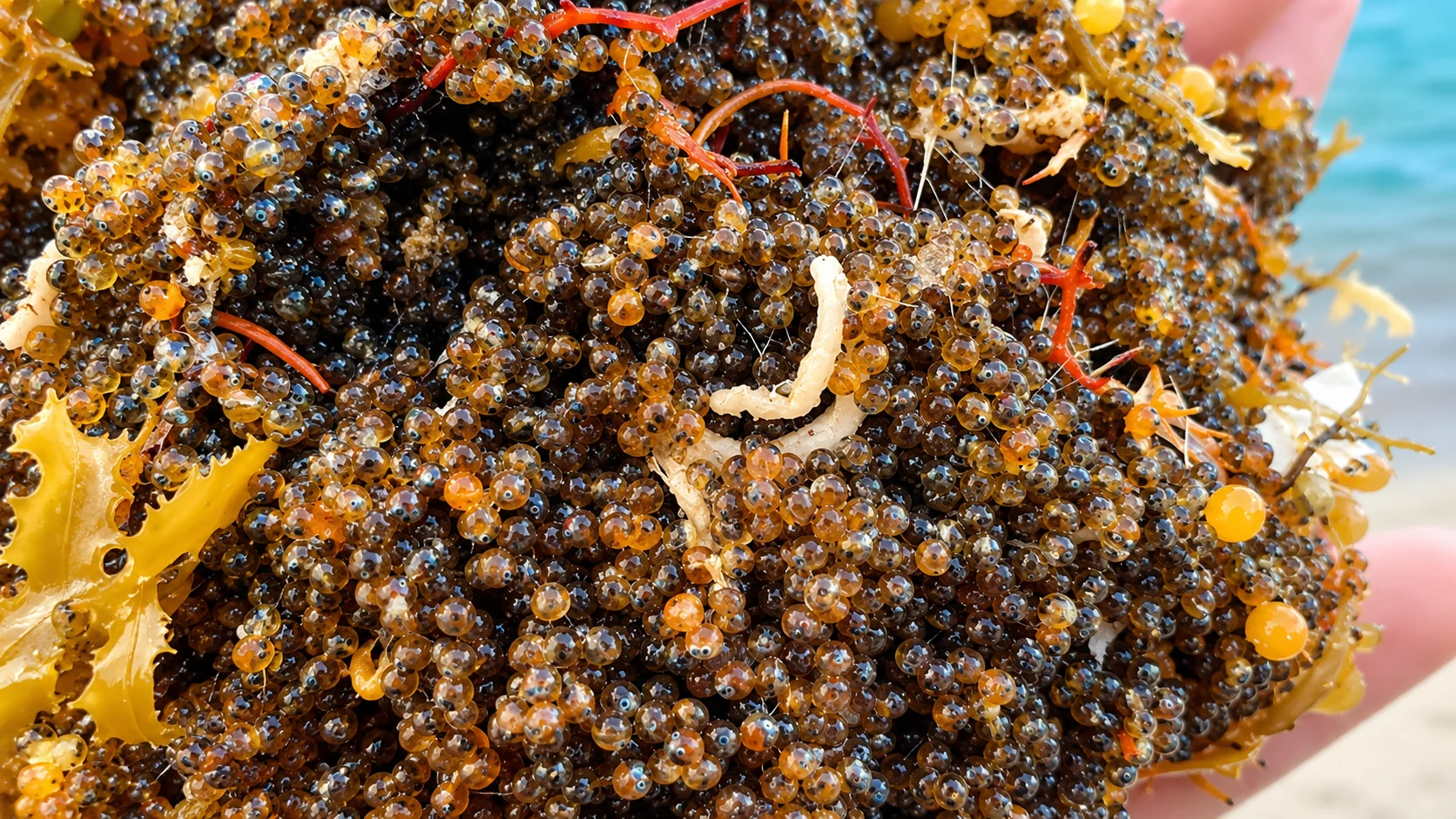
Egg collectors
Registered fisherfolk who bring in wild-spawned eggs, paid TTD 250 a bucket from the first month of the season.
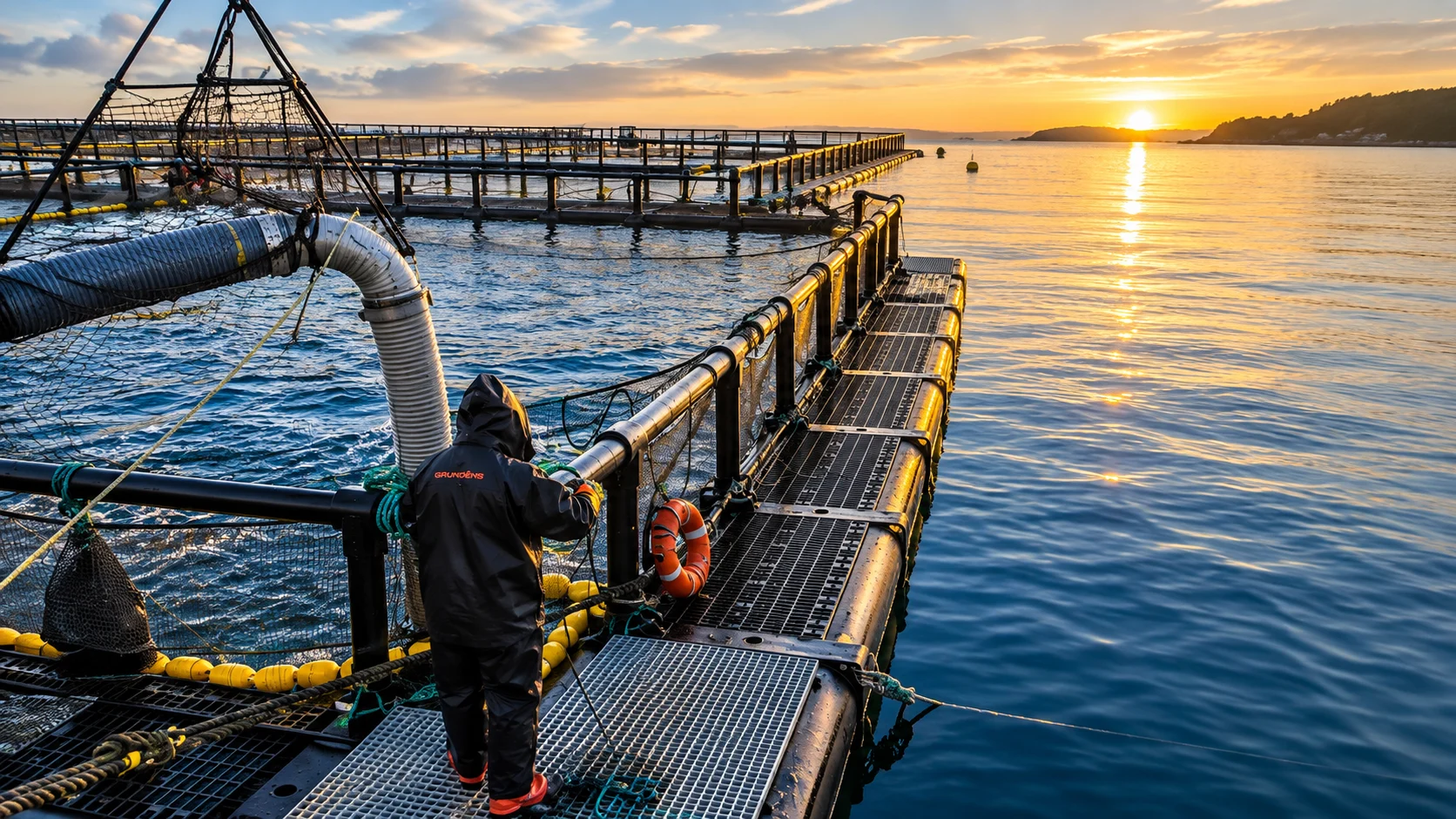
Pen keepers
Members of fishing households who hold the community pens, on TTD 4,000 a month while the pens are stocked.
When the fish return, everything downstream of the fish returns with them.
We measure recovery in livelihoods, not landings alone
Honorary advisors & patrons
Friends of the programme
The Honourable Farley Chavez Augustine
Chief Secretary, Tobago House of Assembly
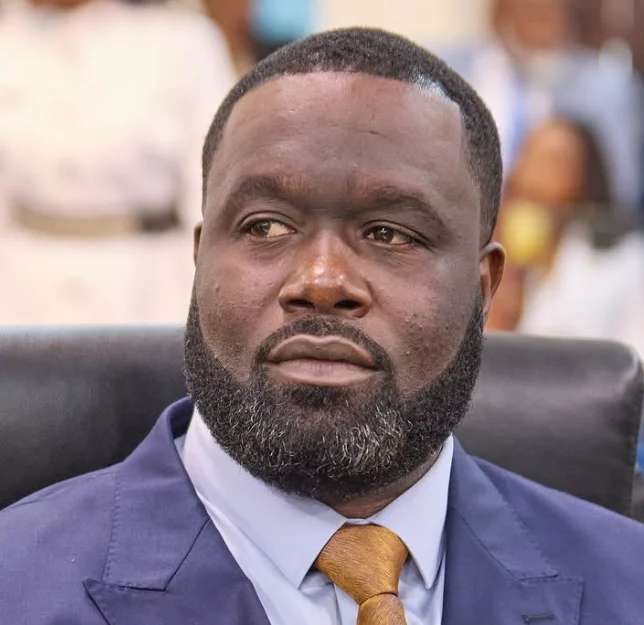
The Honourable Kern Alexis
Assemblyman, Tobago House of Assembly
Professor Hazel Oxenford
Fisheries biologist, flying fish and CERMES
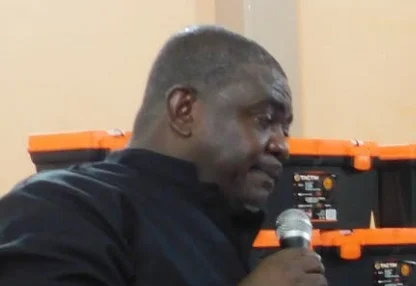
Terrence Holmes
Honorary patron
CJ
Carlisle Jordan
Honorary patron
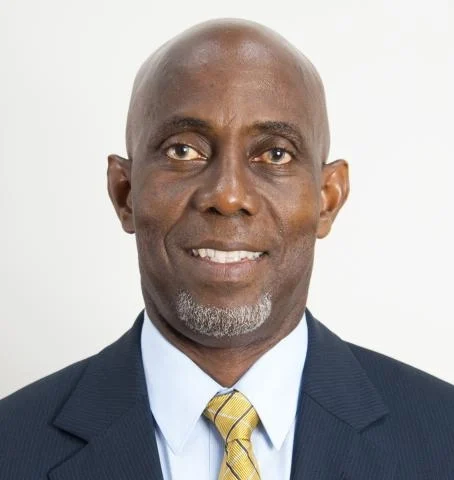
Gregory McGuire
Honorary patron

What we release, we count in public. Every release is independently witnessed.
Release counts are published as they happen
How we are governed
Governance
FFINS is a non-profit organisation incorporated in Trinidad and Tobago under the Companies Act, Ch. 81:01, governed by a board of five directors. Bylaws, procurement and the IP and data governance policy are held for funders and partners, and shared through the portal.
Request the documentsWhere the money comes from
Built to be verified
The proof of concept is approved by the Tobago House of Assembly and open to funding partners who expect independent verification as a condition of support. Payment follows results: money moves against counted, witnessed releases, not against activity reports.
No fishing household pays to take part. Funders receive audited accounts and the full verification record.
Partner portalCome see it for yourself
The best introduction to FFINS is a release day. They’re public, and they’re worth the early start.