
For the energy sector
You work this water. Help us restock it.
Seismic lines, shipping lanes and platforms cross the same surface where flying fish eggs drift, exposed, for five to seven days. This is an invitation to the companies that operate on that surface: fund the programme that puts the fish back.
Witnessed
·
Published
·
Audited
Shared water
The fishery and the industry share one ocean
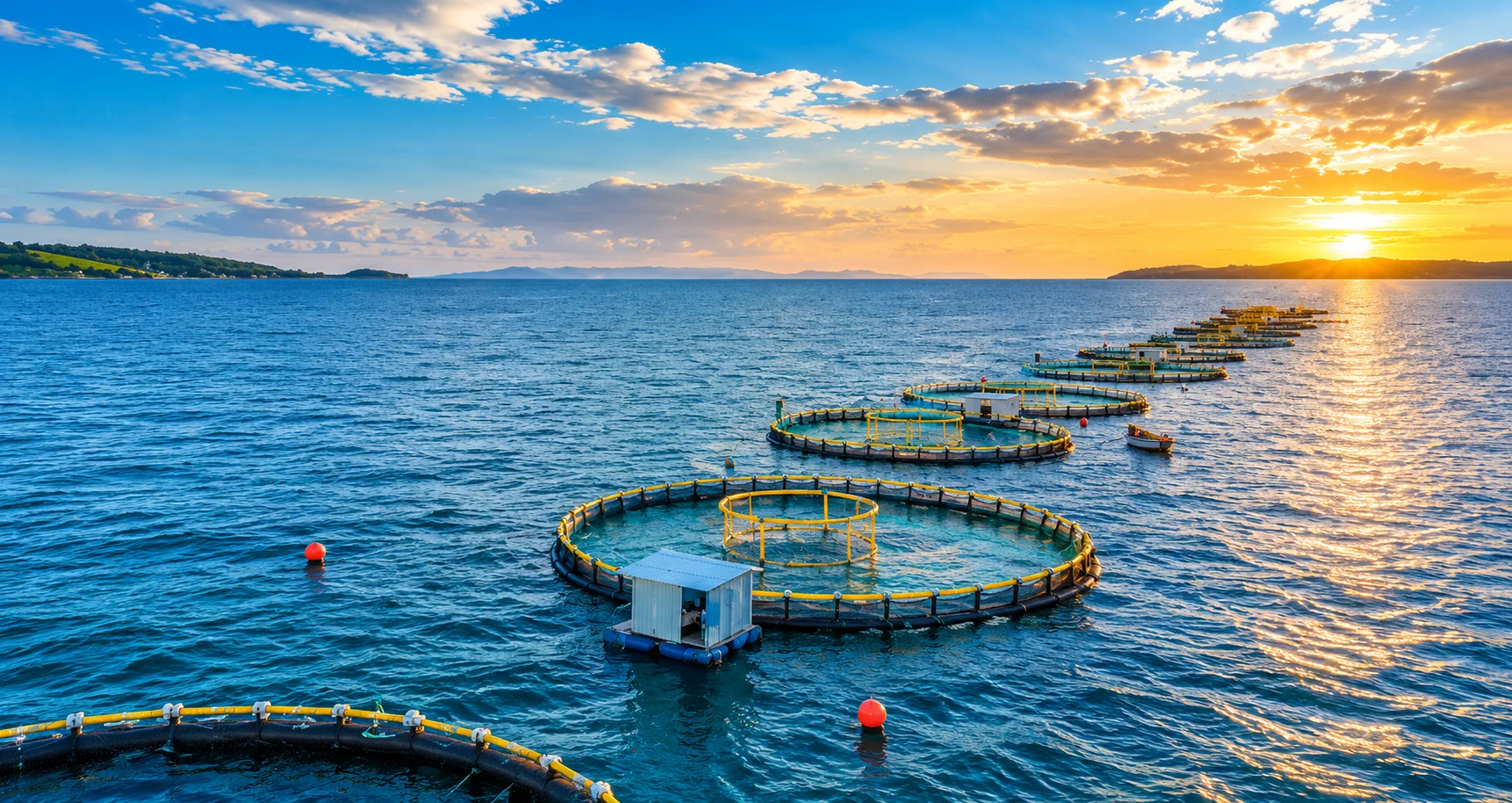
A flying fish egg spends its first week at the surface of a working ocean. The industry’s own environmental assessments name what crosses that surface: survey vessels, tanker routes, platform operations. The overlap between the fishery’s spawning grounds and the sector’s operating water is not a claim — it is on the industry’s own charts.
This page is not an argument about blame. It is a statement of position: the companies whose operations sit on this fishery are the ones best placed — and most credible — to fund bringing it back.

An offset planted an ocean away restores nothing here. This one puts fish back in the water your operations sit on.
Restoration where the footprint is
What a partnership returns
Five things no other CSR spend in the region delivers together
01
Standing with the coast
The programme is run with fisherfolk, approved by the Tobago House of Assembly, and paid into fishing households from month one. A partner stands with all three — not through a brochure, but through fish those communities watch go into the water.
02
ESG that survives an audit
Every release is independently witnessed and published the same day. Budgets, expenditure and survival rates sit on a live dashboard, and the programme is audited — financially and biologically — every year. Nothing about this partnership requires anyone to take our word for it.
03
Goodwill in survey season
The hatchery takes eggs off the exposed ocean surface within hours of collection and raises them in a controlled system. Funding it is the most direct answer available to the question every operator gets asked about what the work offshore does to the water.
04
A name on something permanent
Naming rights follow contribution — a pen, the laboratory, a facility. The hatchery will outlast every campaign cycle it could ever be compared to, and the scientific record it produces carries its partners’ names with it.
05
A local content story that is true
Tobagonian scientists, Tobagonian pen keepers, Tobagonian fisherfolk — paid, trained and published here. A partner funds local capability that regulators and communities can walk up to and see.
The five SDGs the programme reports against — 14, 2, 8, 13 and 1 — are documented in the partnership prospectus.
TTD 9.4M
Proof of concept
40%
THA anchor
60%
Open market
How partnership works
Three ways in
The proof of concept is approved by the THA, with funding now open. No two partnerships need to look alike.
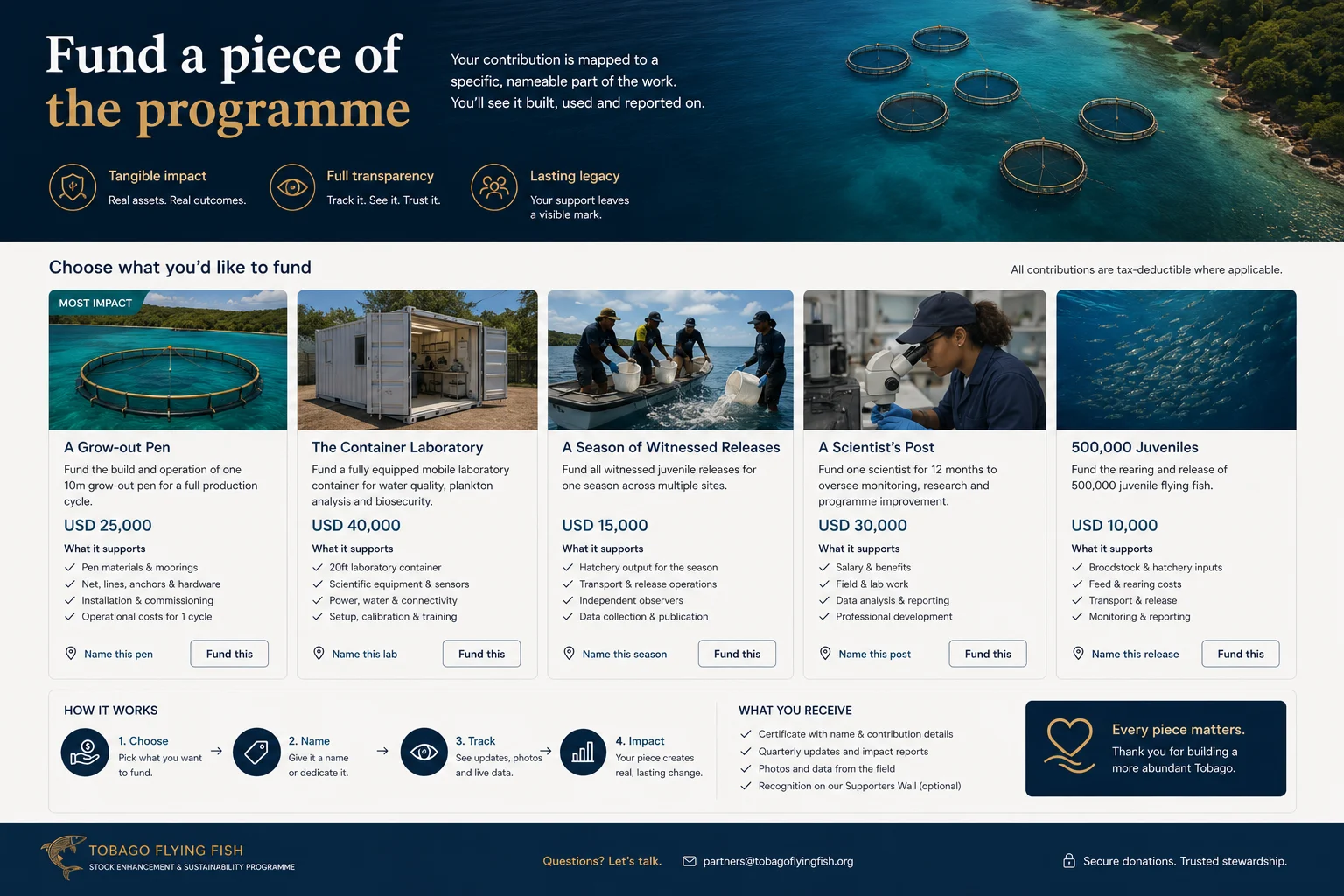
Fund a piece of the programme
A grow-out pen, the container laboratory, a season of witnessed releases, a scientist’s post. Contributions map to physical, nameable things — not to a general fund.
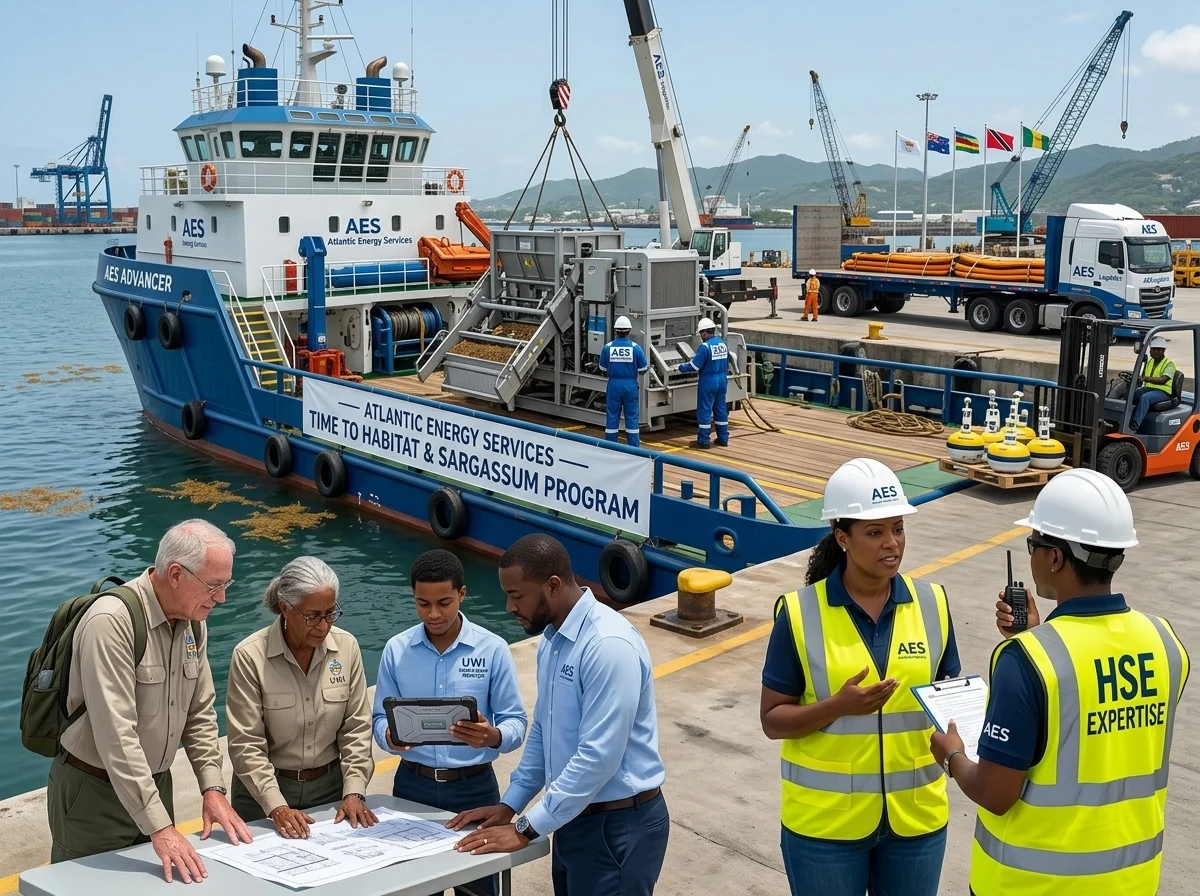
Contribute in kind
Vessel time, marine engineering, HSE expertise, logistics. The industry holds capabilities this programme needs and would otherwise have to buy.
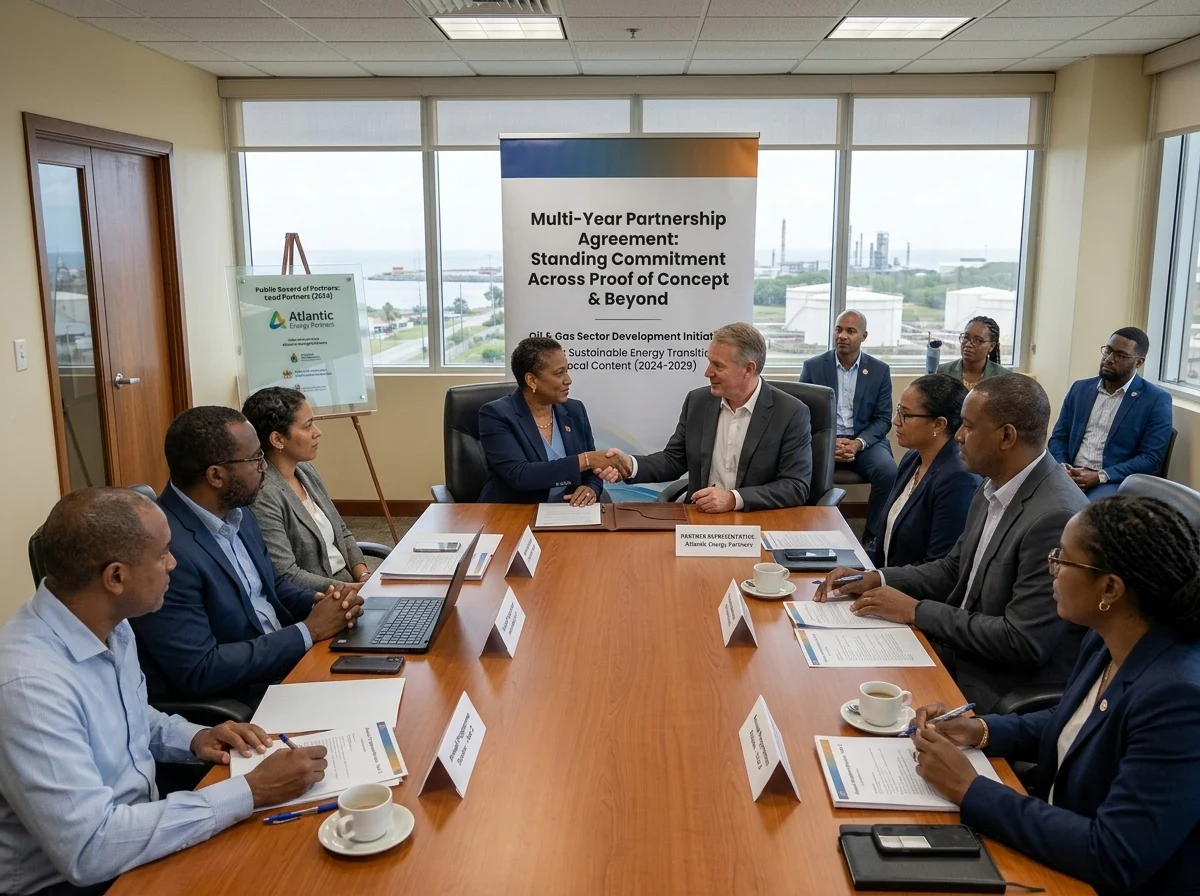
Multi-year partnership
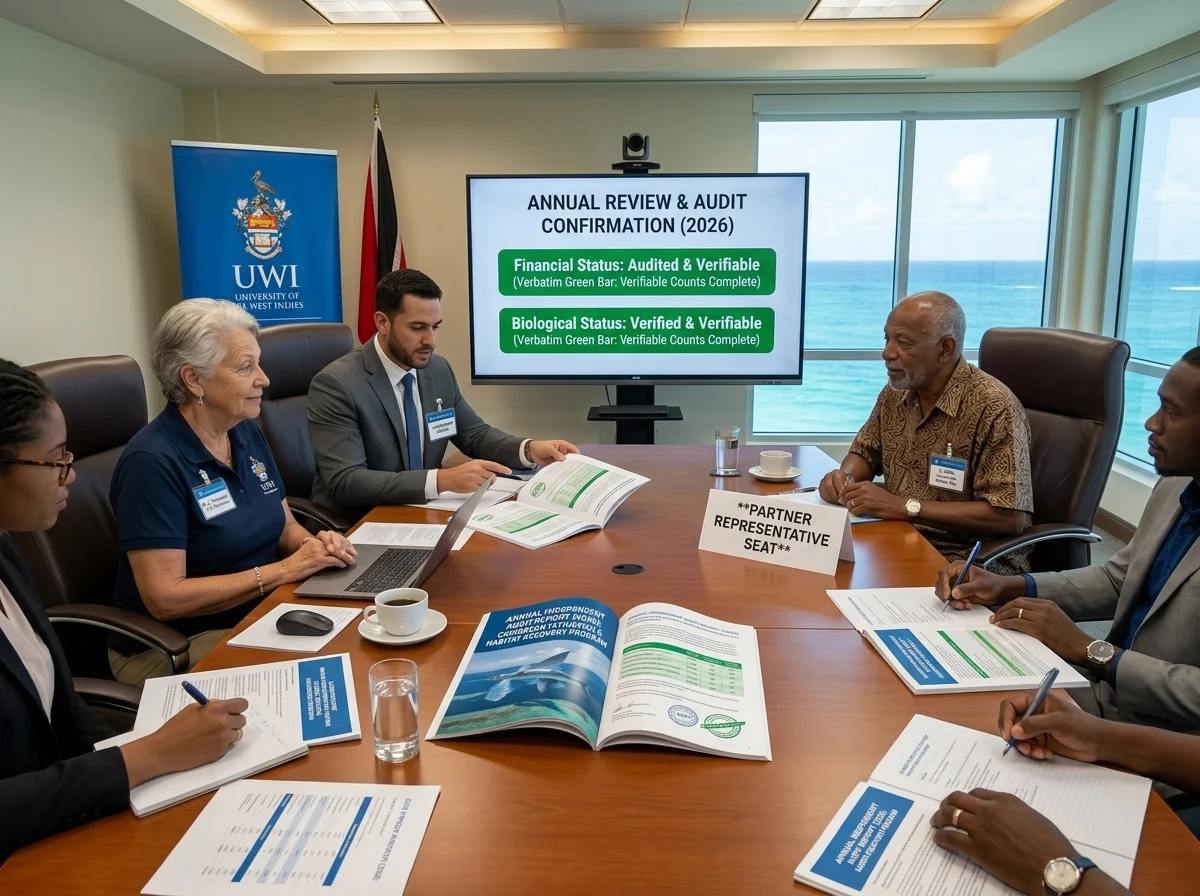
A standing commitment across the proof of concept and beyond, with a seat at the annual review and first position in the programme’s public record of partners.

A partner never has to ask how it went. The record arrives before the question does.
What reporting looks like
What a partner receives
Reporting, on a standing schedule
Same day
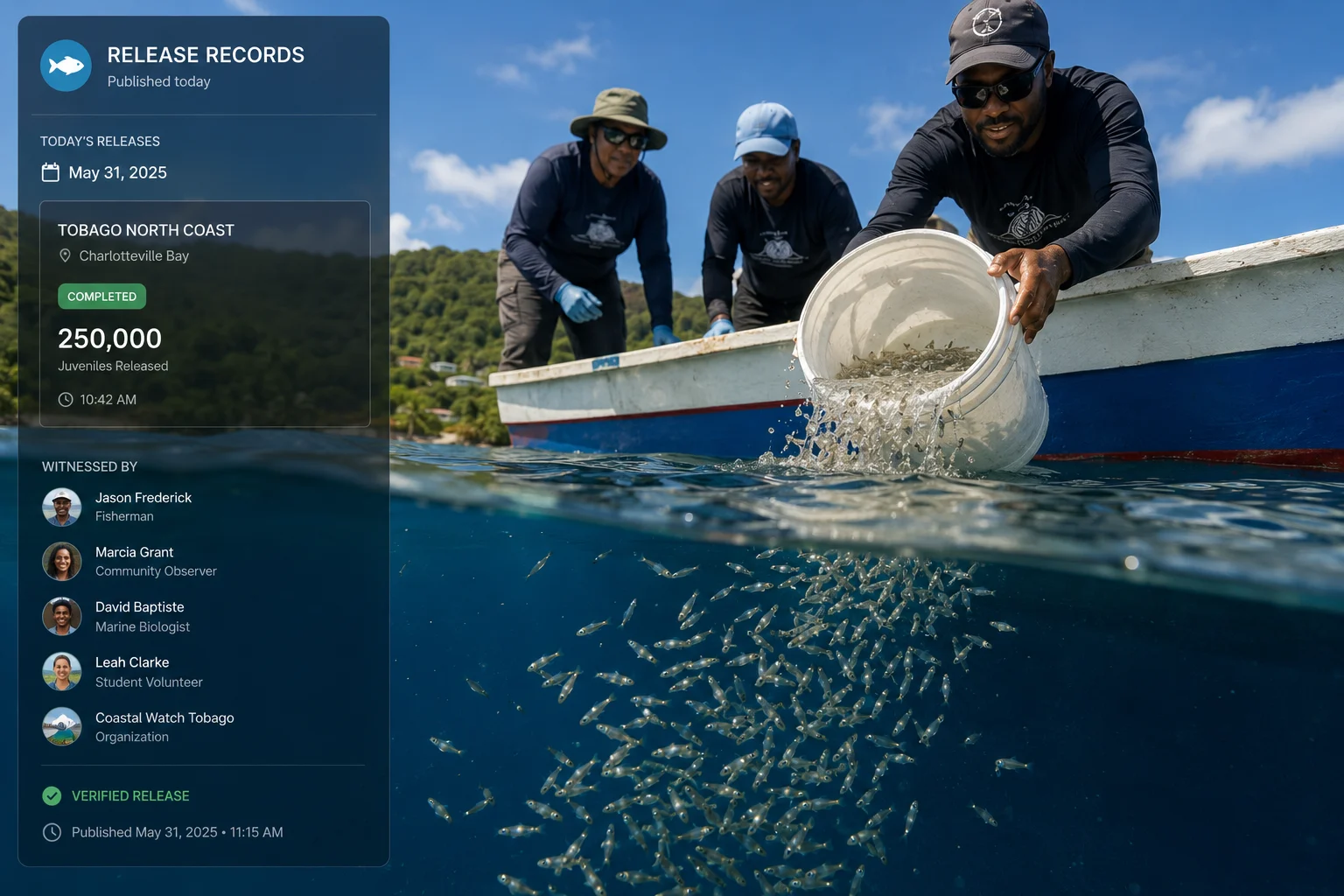
Release records
Every witnessed release published with its counts and observers, the day it happens.
Continuous
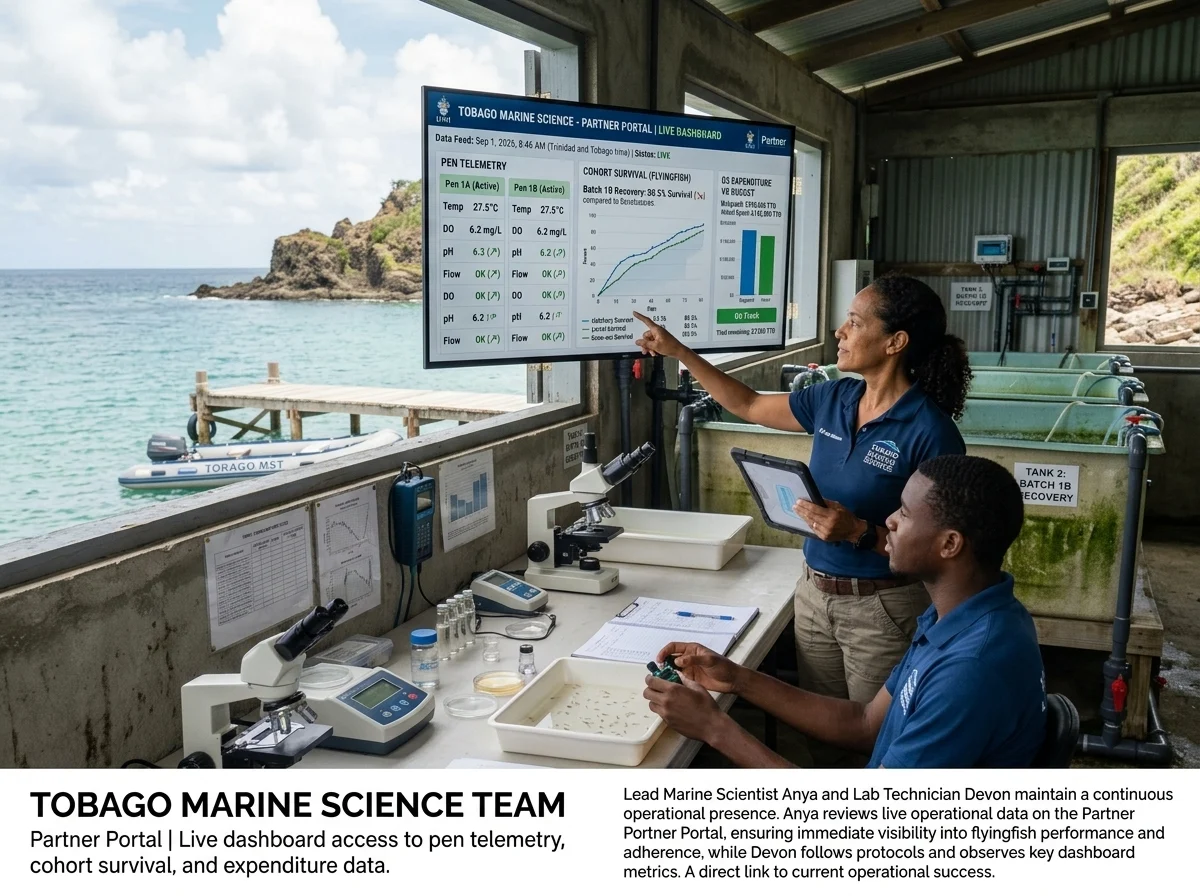
Partner portal
Live dashboard access: pen telemetry, cohort survival, expenditure against budget.
Quarterly
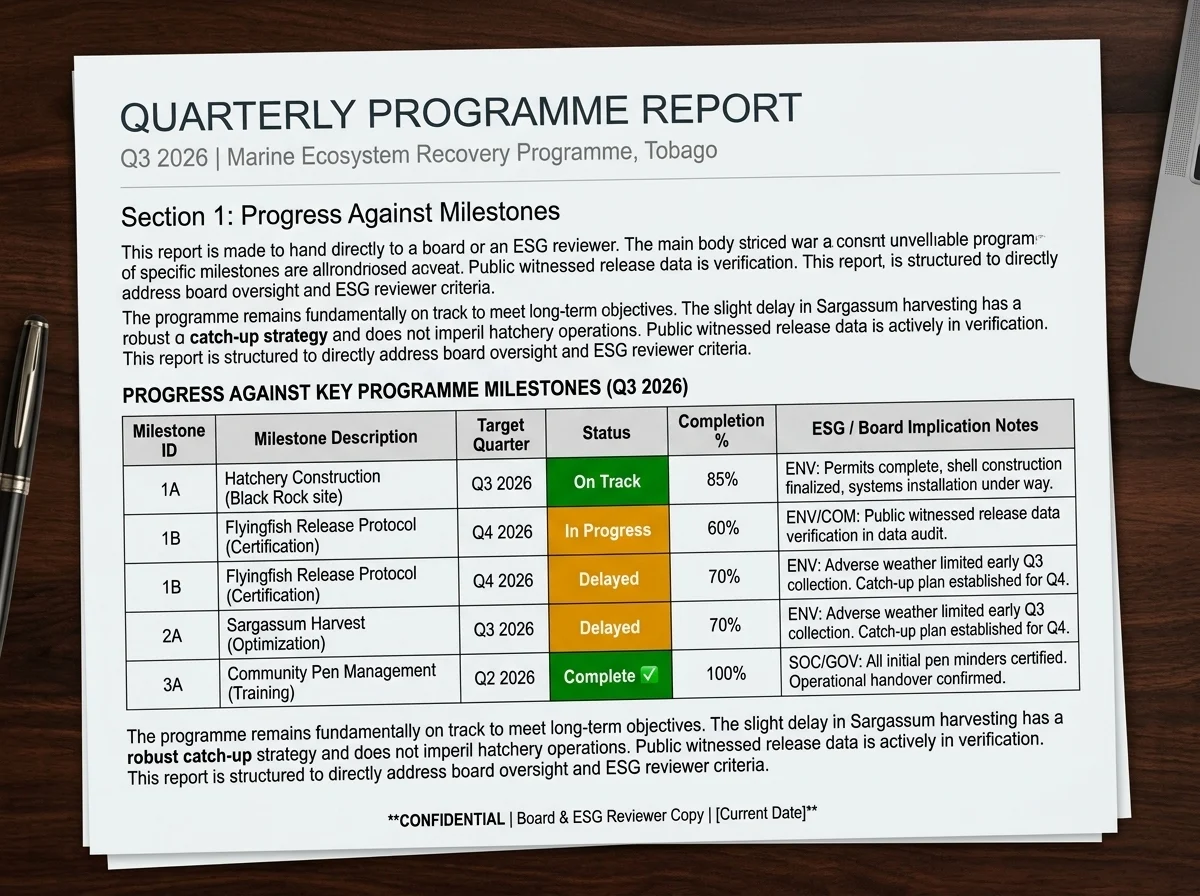
Programme report
A written report against milestones — suitable to hand directly to a board or an ESG reviewer.
Annual
Independent audit
Financial and biological audit, published — with a partner seat at the annual review.
Not in the energy sector?
The water does not check who the money came from.
Foundations, CSR funds and the diaspora
A simpler way to give
Not every contribution needs a prospectus and an NDA. For foundations, community funds and Tobagonians abroad, the ask is simpler — and the record you get back is the same public one everyone sees.
For funders and partners
Request a prospectus
Programme phases, governance, naming opportunities and the reporting a partner receives. Tell us which prospectus fits you — we share it under NDA where required, and reply within two working days.
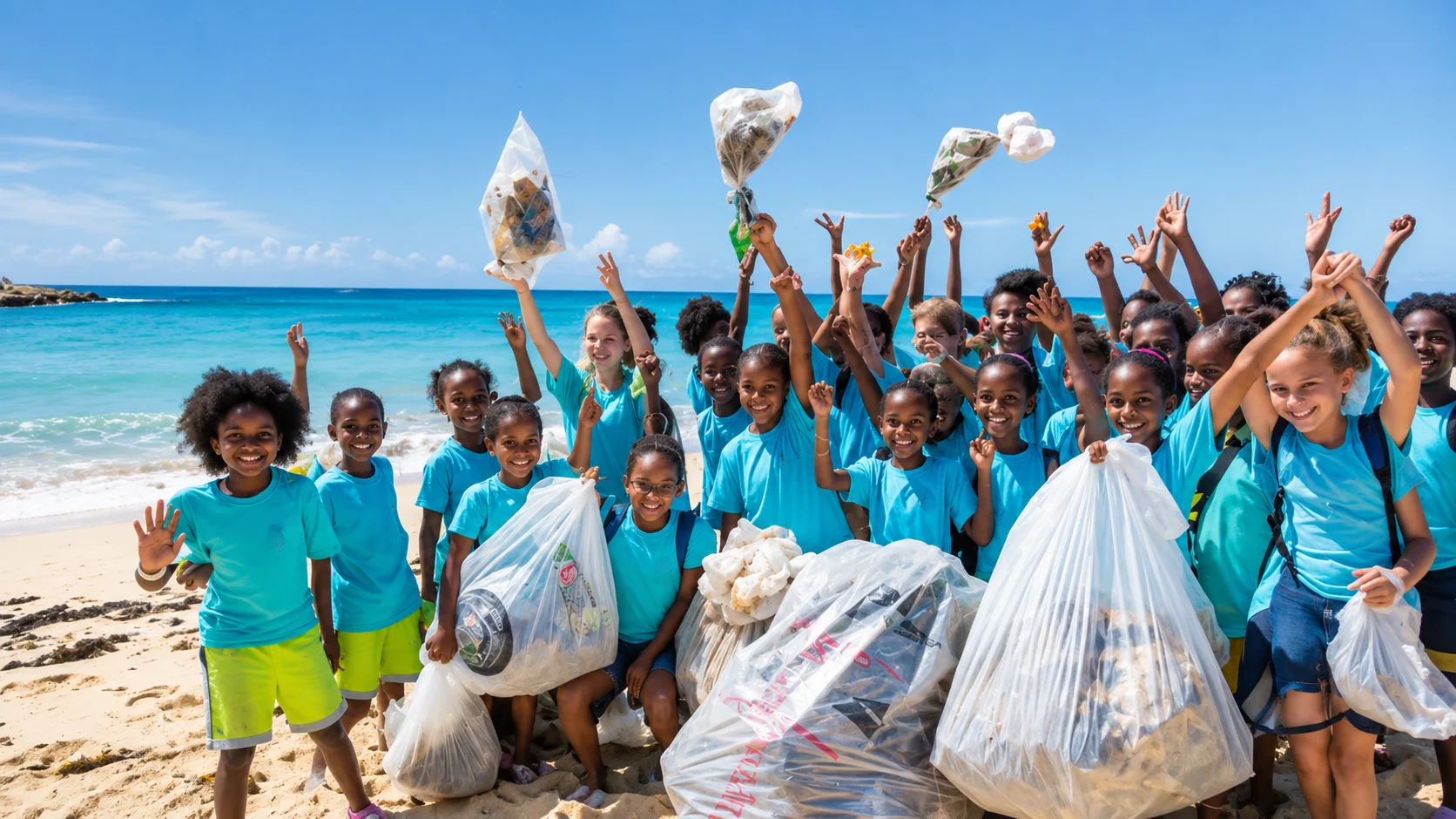
Sponsor a pen
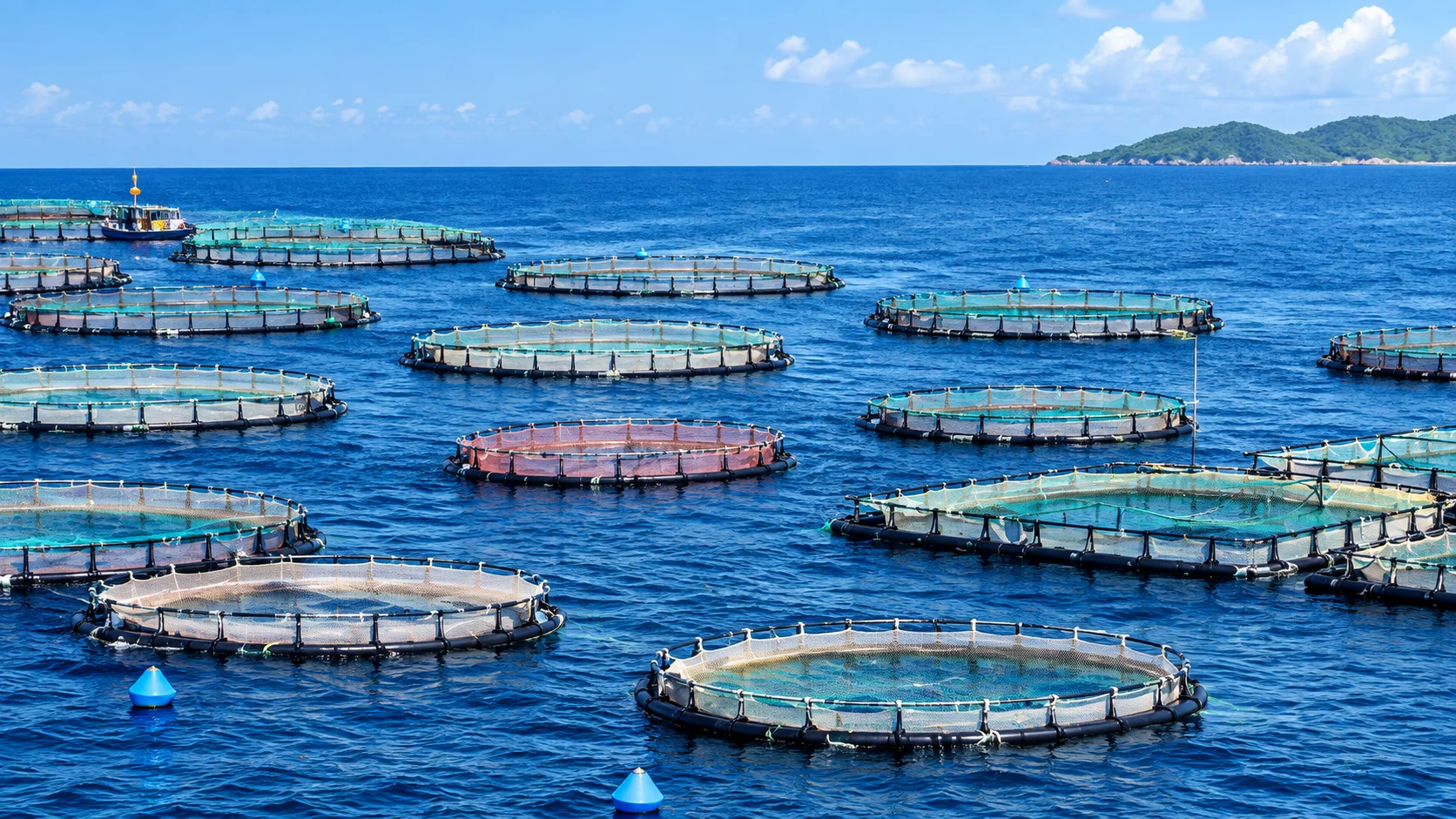
A grow-out pen carries its sponsor’s name for the season, and every cohort raised in it is reported publicly — counts, survival, release day.
Fund a student placement
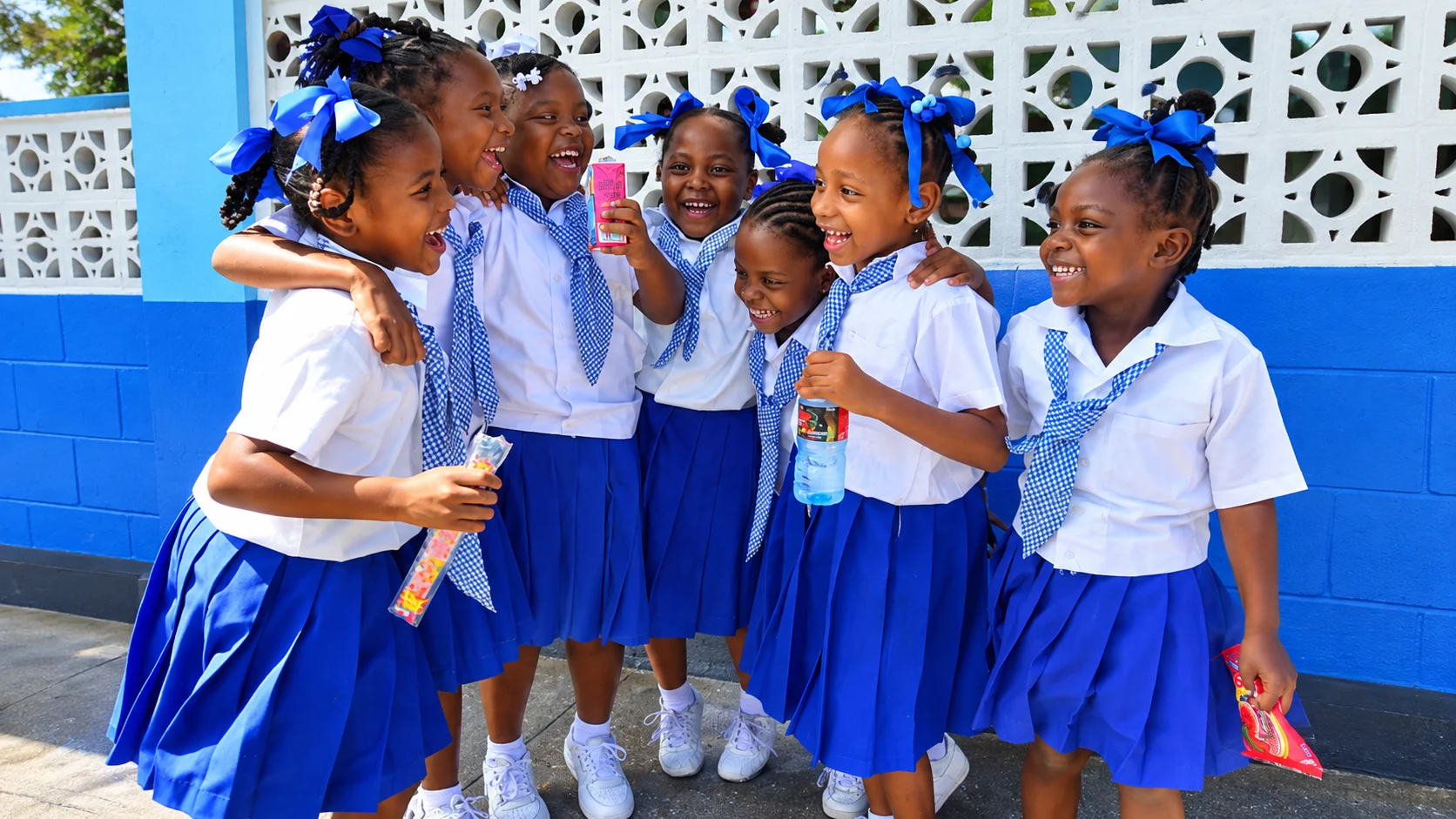
Four weeks of working placement for a Tobagonian student — duties, supervision and a signed-off record at the end of it.
Give once
A single contribution of any size, acknowledged in the programme’s public record of supporters. No minimum, no paperwork.