
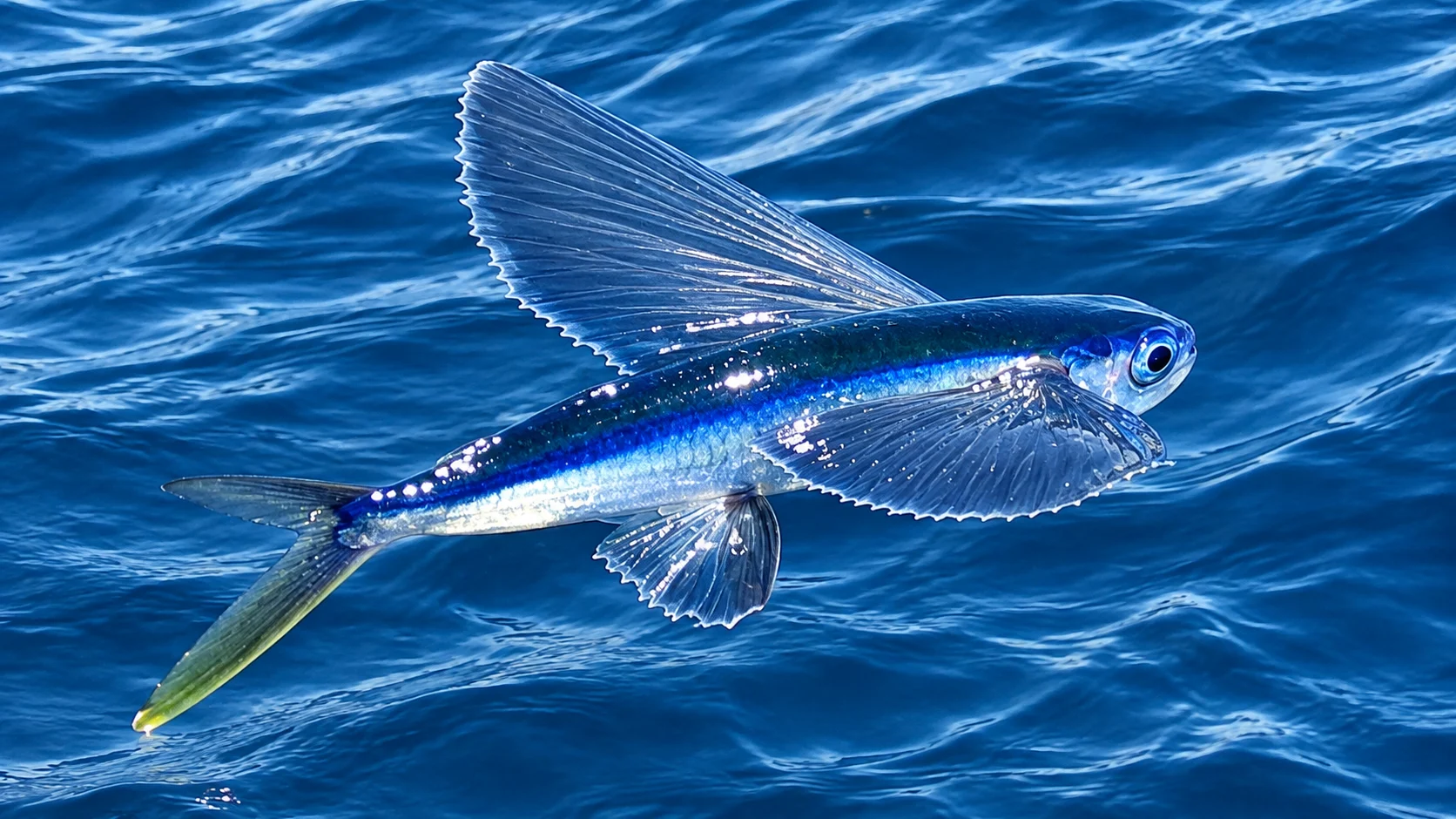
If you go looking for the science on rearing flying fish (Hirundichthys affinis), you run out of papers around 2007. Egg development, larval feeding, survival through the first twenty days — the questions a hatchery has to answer every morning — were never answered in print for this species.
The reason is ordinary. Flying fish were a wild-caught commodity with a working fishery; nobody needed to raise them. The catch data that would have flagged the decline early was thin, and by the time the decline was obvious, the research funding had moved elsewhere.
That gap is why the FFINS lab protocol starts from first principles: every cohort logged daily, every feed regime recorded, every mortality counted and attributed. The dataset is the point — it is what makes the programme replicable beyond Tobago, and it is what a partner university gets to publish against.
It also sets the bar honestly. Nobody has done this. The first season is for finding out what the papers never said.
- 2007
- Last published rearing science
- 0
- Hatchery programmes for this species
- Day 0–20
- The unanswered window
- The literature gap
- Why it stayed open
- What FFINS will record